
The Ultimate Guide to Sustainable Yacht Charters in 2026
Sustainability has become one of the quiet revolutions in the yachting world. A decade ago it was treated like a pleasant add-on, the sort of thing a charter might mention politely without changing much at all. By 2026, it has become a serious part of how new yachts are designed, how destinations are managed, and how travelers think about their time at sea. The shift did not happen because the industry suddenly grew a conscience. It happened because the seas themselves forced the issue.
Anyone who spends real time on the water notices the changes long before the headlines do. Coral systems that used to glow with color now fight to survive warmer seasons. Anchorage zones in popular regions have tightened. Local authorities in Europe and the Pacific have begun limiting diesel hours and restricting older vessels altogether. And travelers, many of whom return to the same islands each year, understand exactly what is at stake. The places they love will not remain the same unless everyone who enjoys them plays a part.
What follows is not a lecture and not a marketing gloss. It is a clear-sighted look at what sustainable chartering really means in 2026, why it matters, and how anyone planning a yacht holiday can make choices that are practical, enjoyable and genuinely beneficial to the waters they visit.
Why Sustainability Matters
Yachting has always been about escape. It allows you to move through the world at your own pace, to slip into a bay early in the morning before the first ferry arrives, to anchor near an uninhabited island and hear nothing but water tapping against the hull. But the freedom that charters offer is built on fragile ground. The ecosystems that make these moments possible are sensitive. Once damaged, they take years to recover, if they recover at all.
Environmental pressure in popular coastal regions has reached a point where authorities have had no choice but to respond. France and Italy have expanded protected marine areas. Indonesia has increased monitoring of sensitive reefs. The Galápagos, which has always taken a careful approach, has tightened permissions again. These regions understand that if they lose the quality of their waters, they lose everything.
Shipyards have taken note. Advances in hybrid propulsion and solar technology are not trends but engineering responses to a world that demands quieter and cleaner movement. Charter clients may not care about technical terminology, but they understand the difference between a yacht that hums lightly on battery power at night and one that relies on a generator that rattles the cabin door. Comfort and sustainability, for the first time, now point in the same direction.
Technologies Shaping Sustainable Charters
Hybrid Propulsion
Hybrid yachts are not experimental any longer. Builders like Sunreef, Arcadia and Feadship have invested heavily in systems that blend electric motors with traditional engines. The result is a yacht that can move through calm waters without burning fuel, and that can anchor in silence without a generator running continuously. Guests often describe their first hybrid experience as the moment they realized how much noise had become normal on older vessels.
Solar Power at Sea
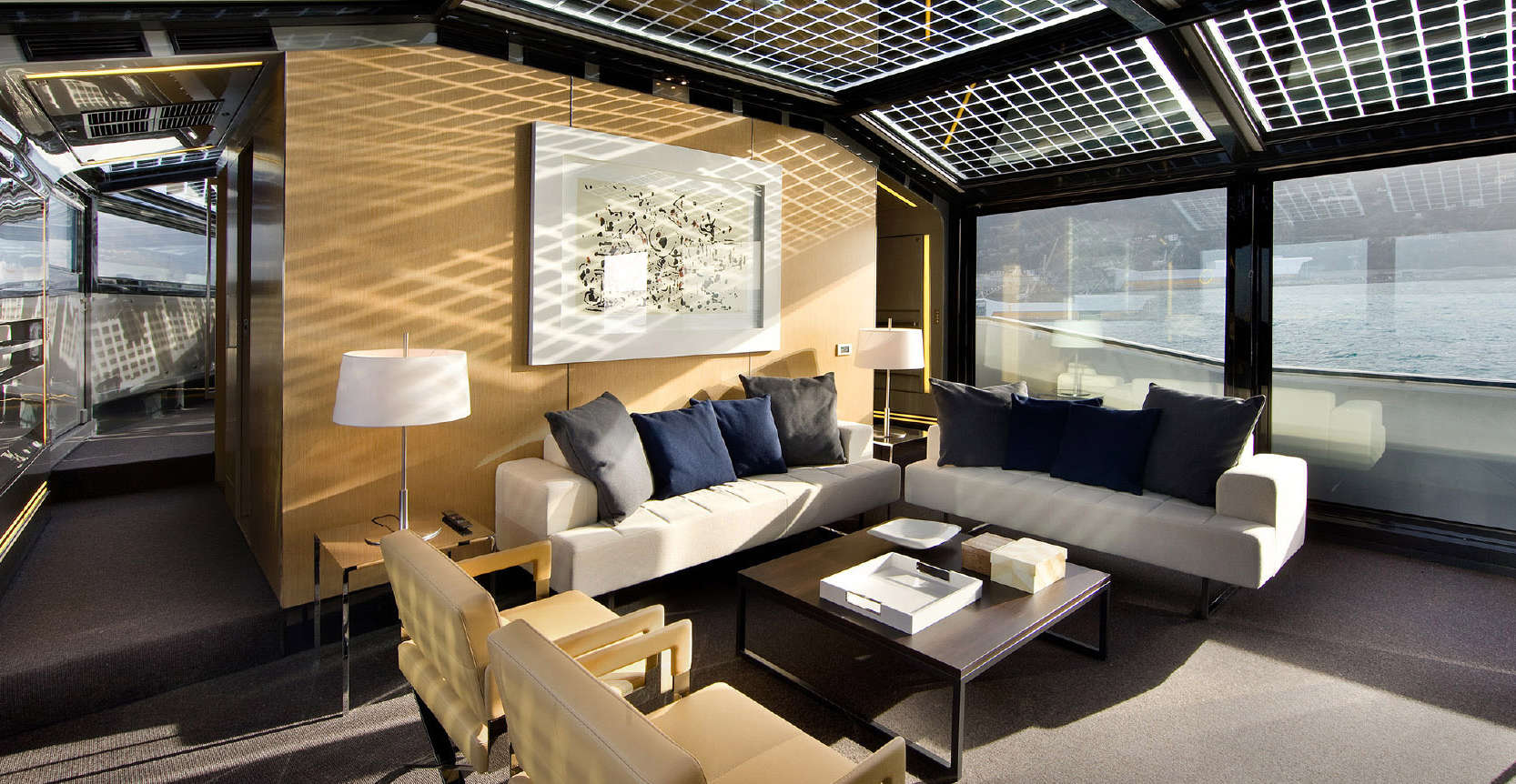
Solar power has matured to the point where it can meaningfully support life aboard. On the newest yachts, panels are built into the superstructure or even into the surface of the hull. This power is used for lighting, desalination, refrigeration and in some cases full air conditioning for interior spaces. Solar technology does not replace engines, but it dramatically reduces the need for constant generator use, especially in sunny regions such as the Mediterranean, Caribbean or the South Pacific.
Smarter Energy Systems
Modern yachts monitor the way energy moves through every part of the vessel. These systems decide when batteries should charge, how much power goes to each cabin and when certain equipment should be powered down. Guests rarely notice this happening, but they do feel the effect. Cabins stay cooler. Vibration levels drop. Nights become quieter. These are not sustainability features alone but comfort features that support a more efficient vessel.
Sustainable Materials
The push to reduce environmental impact reaches far past engines. Many shipyards now avoid traditional teak, a material linked to unsustainable forestry for decades. They use recycled alternatives that replicate the look and feel without the ecological cost. Low-toxicity paints reduce the release of chemicals into the water over the life of the yacht. You may never think about the paint on a hull or the wood underfoot, but these choices have real impact, especially when multiplied across a global fleet.
Carbon Offsetting
Offsetting is not a perfect solution but it is a helpful one. Reputable programs calculate the emissions produced during your charter and contribute to verified conservation or renewable energy projects. Many charter companies now offer this automatically, with a clear breakdown of how the contribution is used. It is a small addition to the overall budget and an easy way to balance the environmental cost of travel.
How to Choose a Truly Sustainable Yacht
Not every vessel that calls itself eco-friendly deserves the title. If sustainability matters to you, a few questions will help you separate substance from marketing.
What type of propulsion does the yacht use?
Does it have solar capability?
Does it rely on generators at night or can it run quietly on battery power?
Is there a plastics policy aboard?
How are grey water and black water managed?
Does the yacht or crew hold any environmental certifications?
How old is the yacht and when was it last refit? Technology moves fast and upgrades make a difference.
Charter brokers who know the fleet well can answer these questions quickly. A good broker will also tell you which yachts are committed to the idea, not just equipped for it.
Destinations Where Sustainability Is Already a Way of Life
Some regions naturally lend themselves to low-impact chartering due to their regulations and geography.
The Galápagos
This is one of the most regulated waters in the world. The result is extraordinary wildlife encounters that feel intimate and unspoiled.
Norway and the Lofoten Islands
These fjords reward slow and silent cruising. Many hybrid yachts spend summers here for that reason alone.
Raja Ampat
Often described as the most biodiverse marine region on earth. Local authorities take reef protection extremely seriously. Many of the yachts that operate here are sailing vessels or hybrid Phinisi with a light touch on the water.
French Polynesia
Long passages and reliable wind make these islands ideal for sailing or hybrid charters. The more remote the atolls, the more obvious the benefits of clean operation.
Understanding the Cost of a Sustainable Charter
Eco-focused yachts are often newer and therefore more expensive. The premium usually reflects the technology on board rather than a price tag placed on sustainability. Hybrid catamarans in the mid-size range typically fall between thirty thousand and eighty thousand euros per week for eight to twelve guests. Larger sailing yachts or hybrid superyachts cost more, but also deliver a different level of comfort.
Fuel savings are real. Hybrid yachts often use less fuel on itineraries that involve frequent anchorages and slow cruising. Many guests find that the reduced noise at night and the increased time in nature more than justify the price difference.
This extra contribution is a small portion of the overall cost, usually a few hundred to a few thousand euros depending on the length of the trip and the size of the yacht.
Yachts Leading the Sustainable Movement in 2026
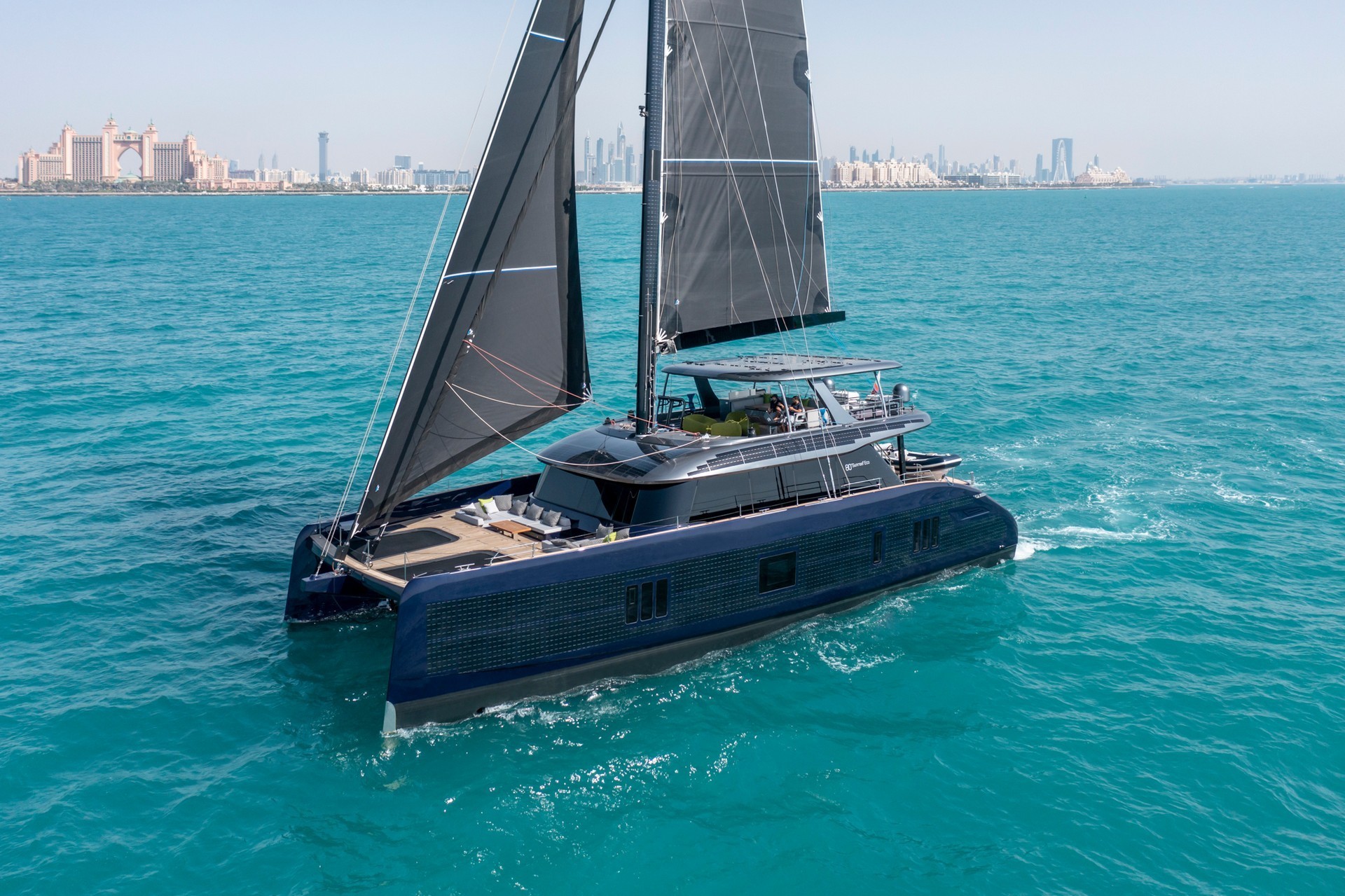
Sunreef 60, 80 and 100 Eco
One of the most capable solar yachts available for charter. Its solar skin produces significant power and its shallow draft makes it ideal for regions with delicate seabeds.
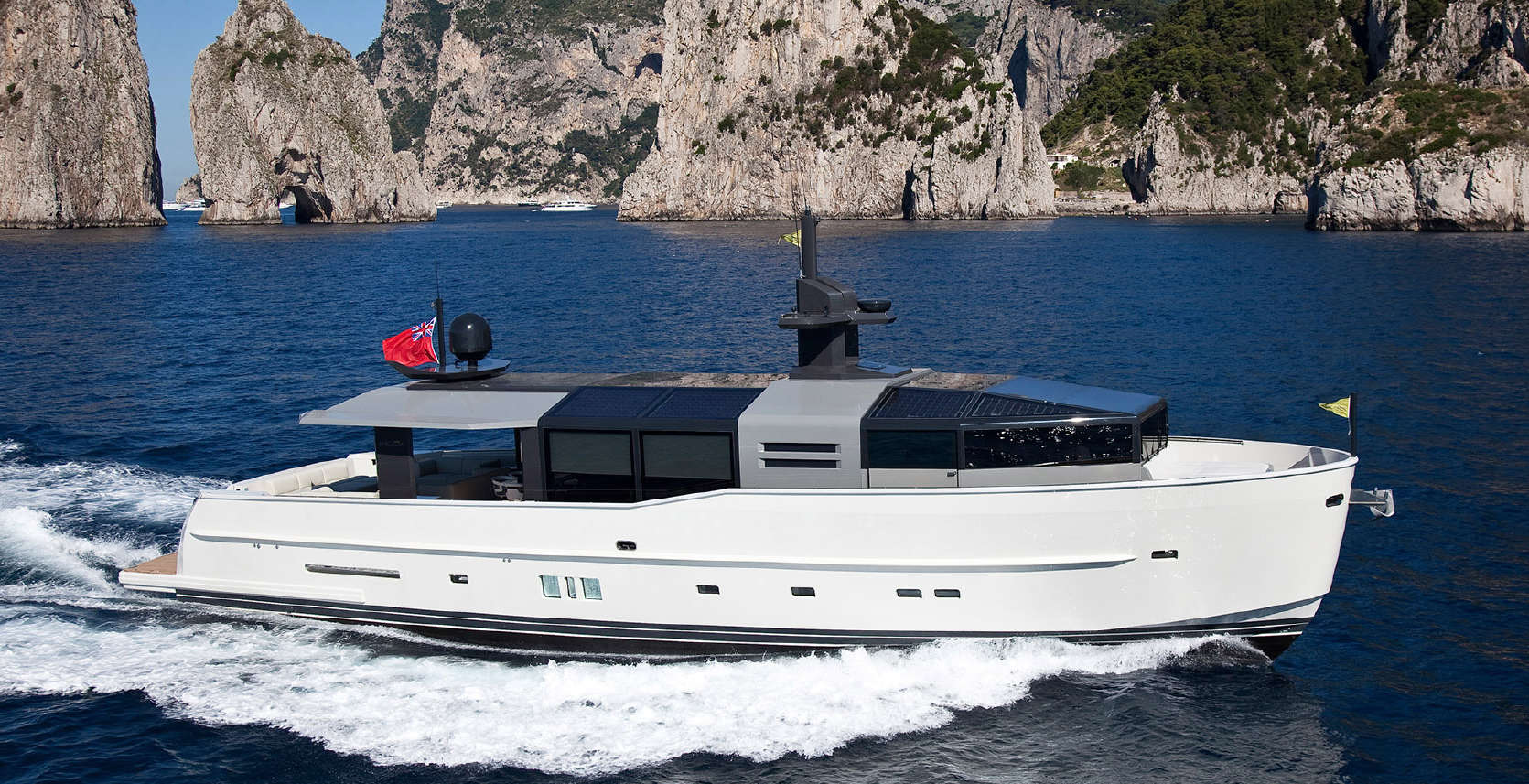
Arcadia 85
Known for its efficient hull and large solar arrays. Guests often describe the onboard atmosphere as unusually calm due to the reduced engine noise.
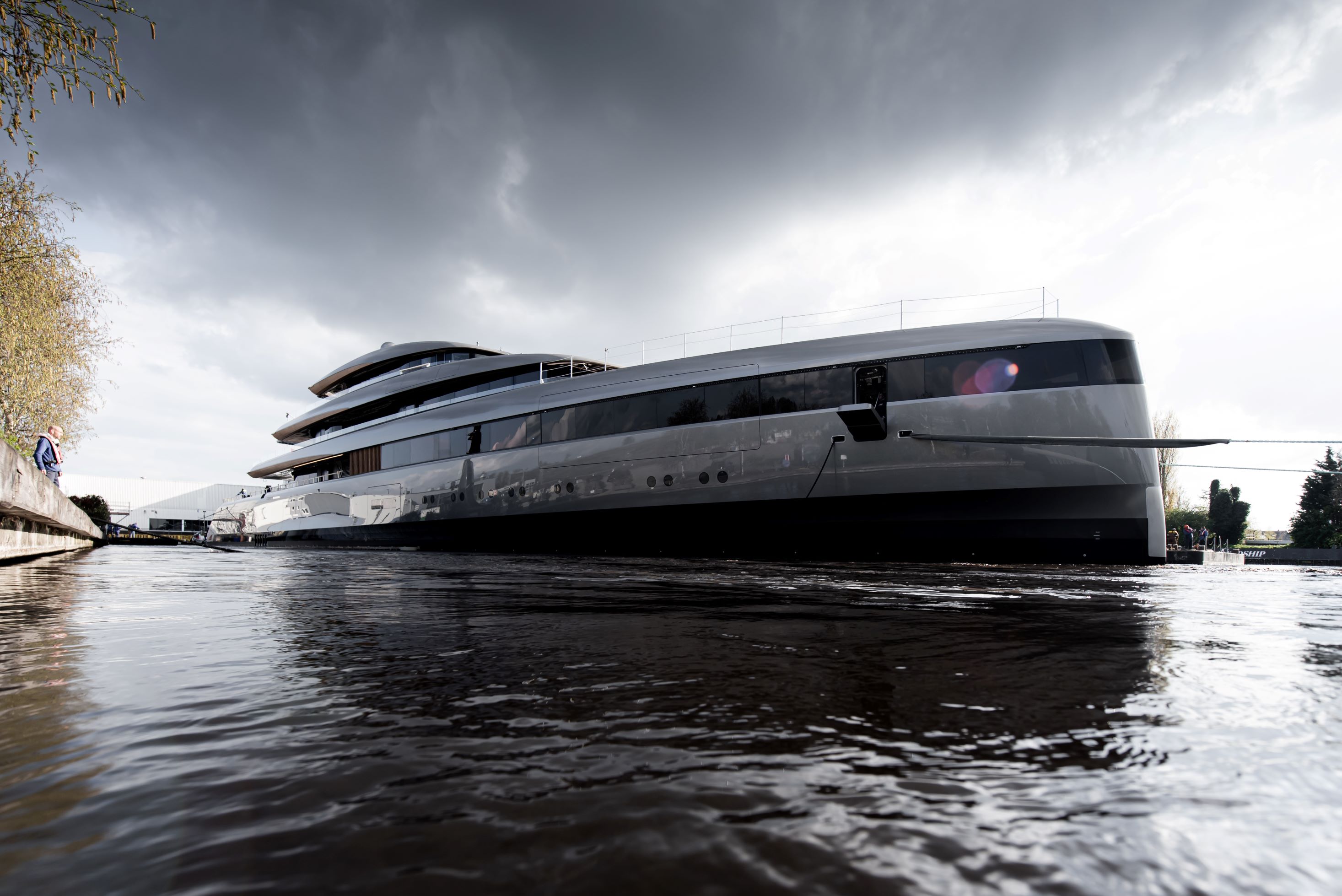
Feadship hybrid models
Several Feadship superyachts now offer hybrid propulsion. They are built for guests who want quiet luxury, long range and minimal disturbance to the natural environment.
How You Can Make Your Own Charter Greener
There is a misconception that sustainability requires sacrifice. In reality, most of the choices that help the ocean have no effect on comfort at all.
Pack reef-safe sunscreen
Bring reusable bottles
Choose local and sustainably sourced produce for onboard meals
Respect wildlife guidelines
Keep personal waste to a minimum
Join or organise a beach cleanup if possible
Follow the crew’s lead on water use and conservation
The most impactful change is simply awareness. When everyone on board makes small adjustments, the cumulative effect is larger than most guests expect.
Final Thoughts
Sustainable yachting is not a separate category anymore. It has become the direction the industry is naturally moving toward. Quieter nights. Cleaner coastlines. A closer relationship with the water. These are not inconveniences but enhancements to the experience.
If you choose your yacht carefully and adopt a few thoughtful habits, you can enjoy the same freedom and privacy that make charters special while supporting the long-term health of the places you love.
If you want help selecting a sustainable yacht or designing an itinerary that respects the environment while still offering comfort and adventure, Frontier Yachting curates these journeys with care. Tell us what kind of experience you imagine. We will take it from there.