Red Sea Yacht Charter
About Red Sea
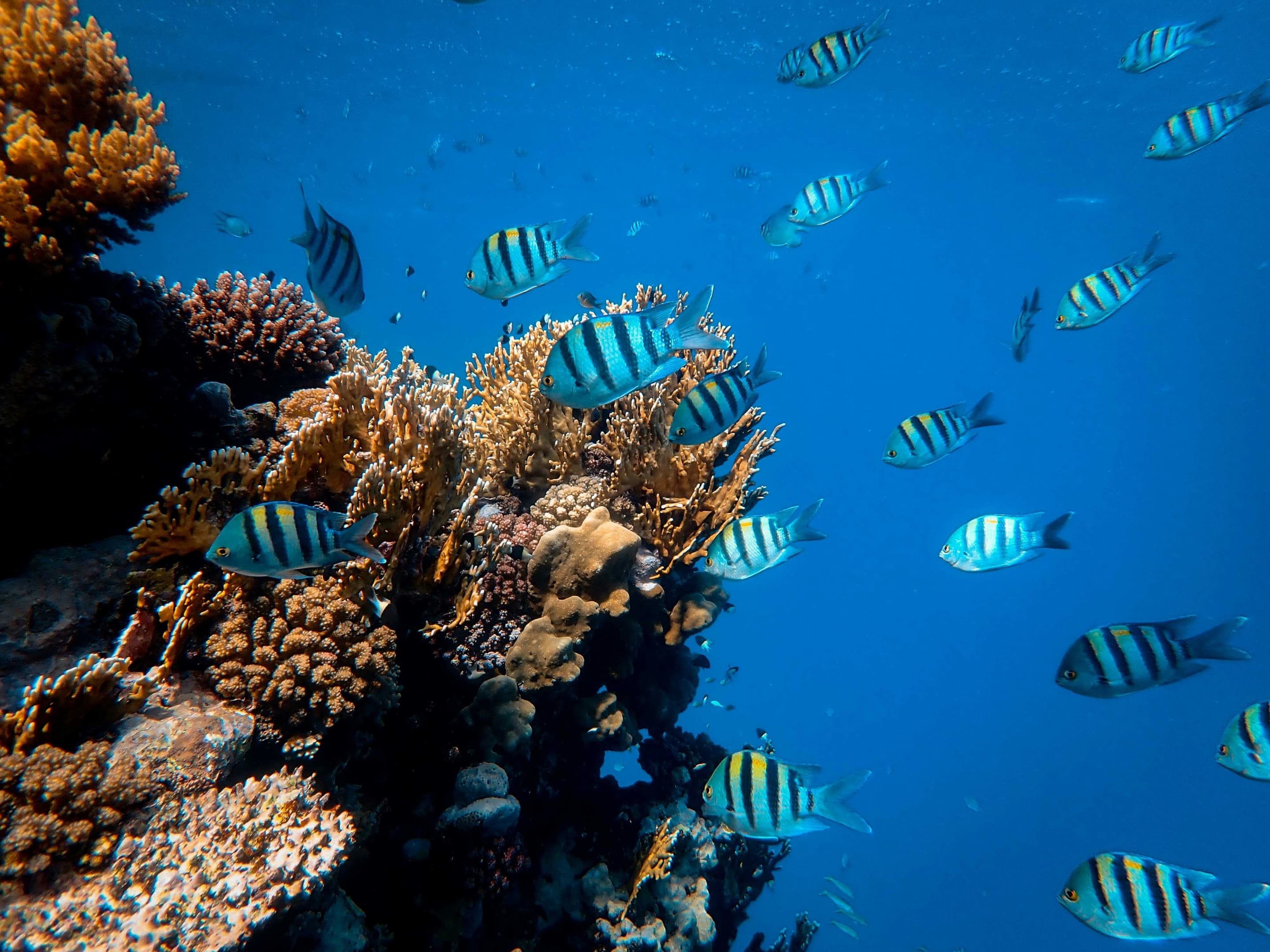
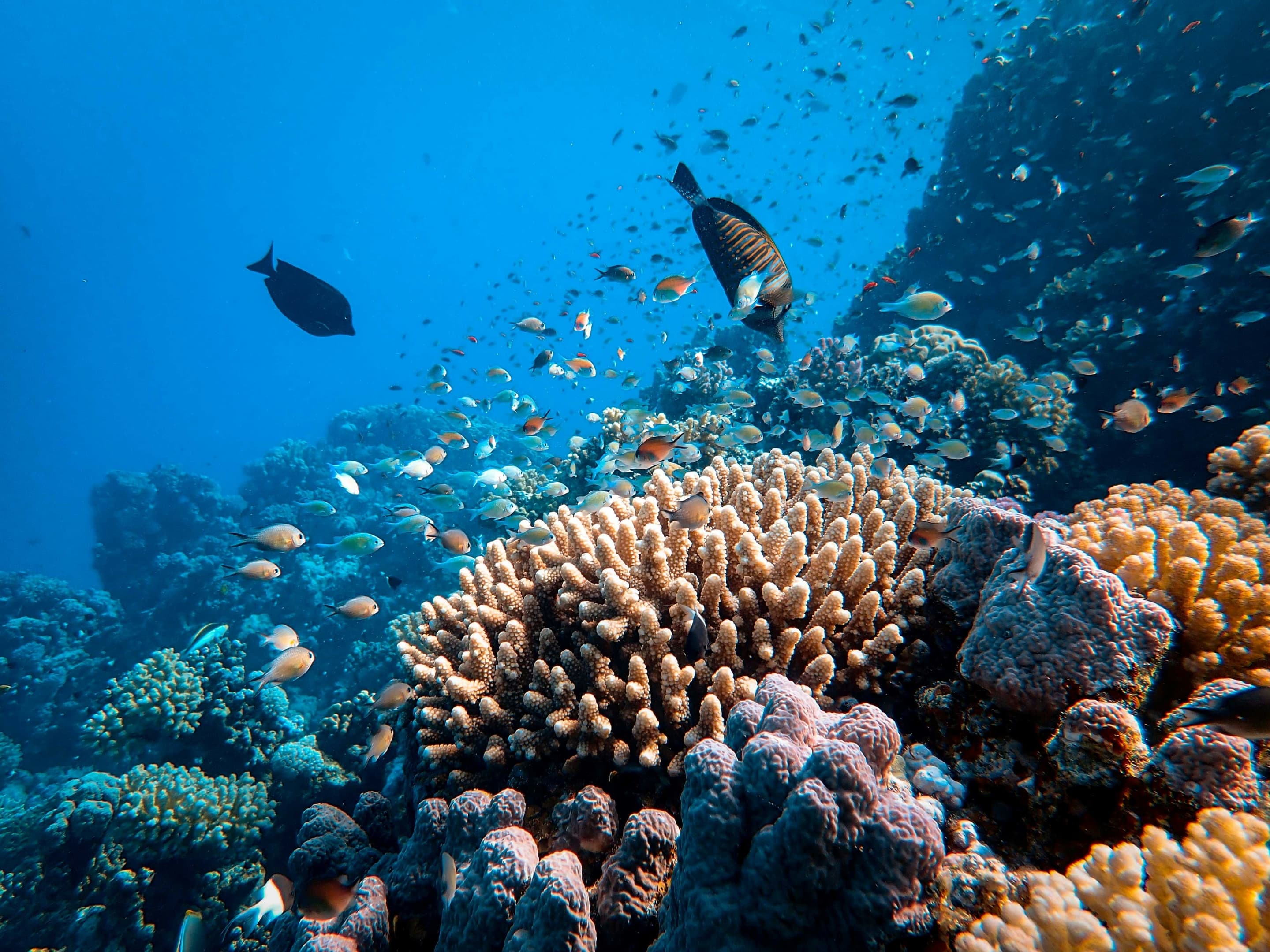
The Red Sea is geologically the youngest ocean basin on Earth, formed by the Arabian and African tectonic plates pulling apart at about a centimetre per year. The same process is what makes the water among the saltiest of any large body of water on the planet, at around 4 percent salinity against 3.5 for the open ocean, and the biological consequence is unusual reef systems: over 1,000 species of fish, of which around 17 percent are endemic, and over 250 species of coral, with visibility regularly past 30 metres.
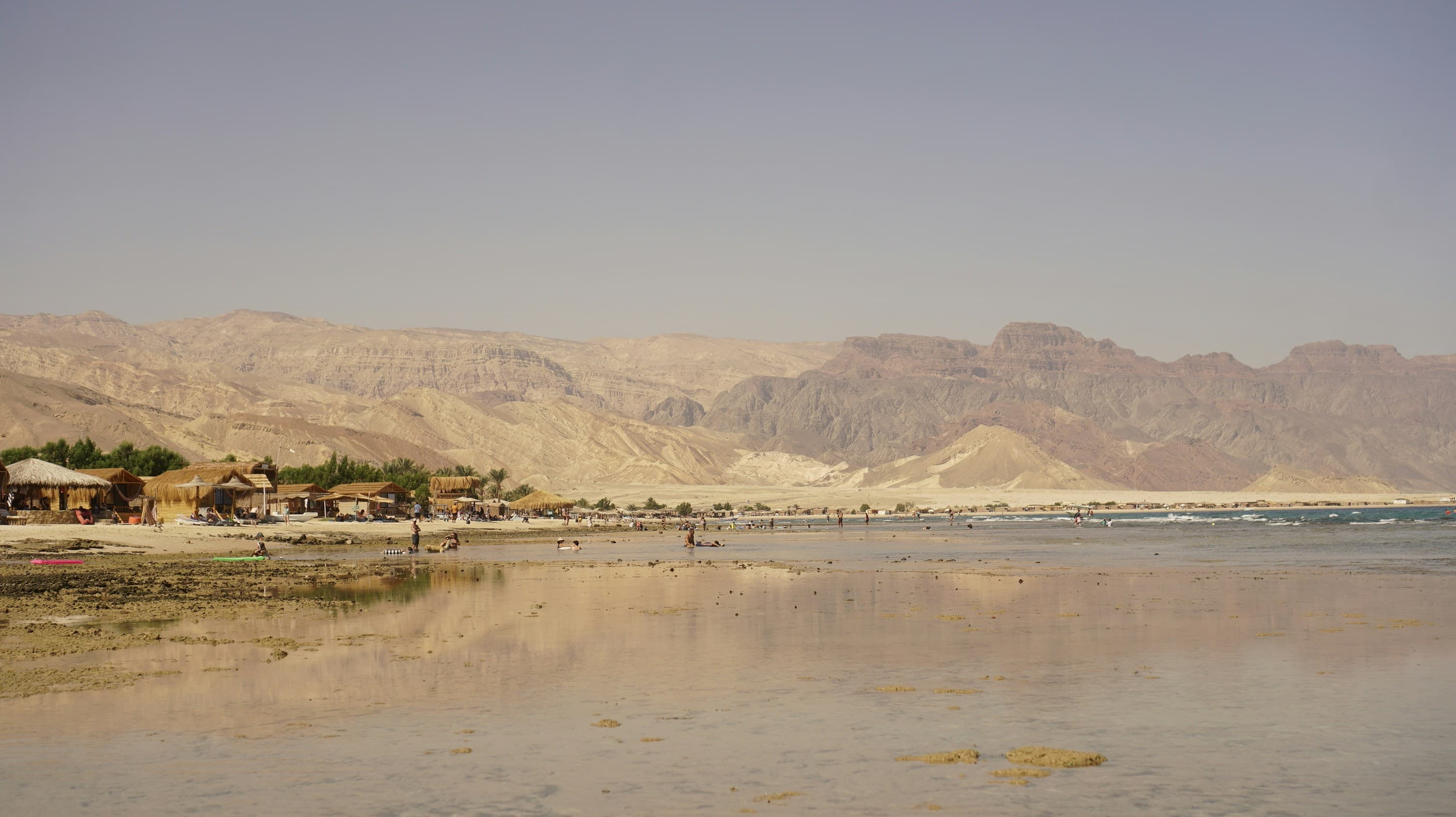
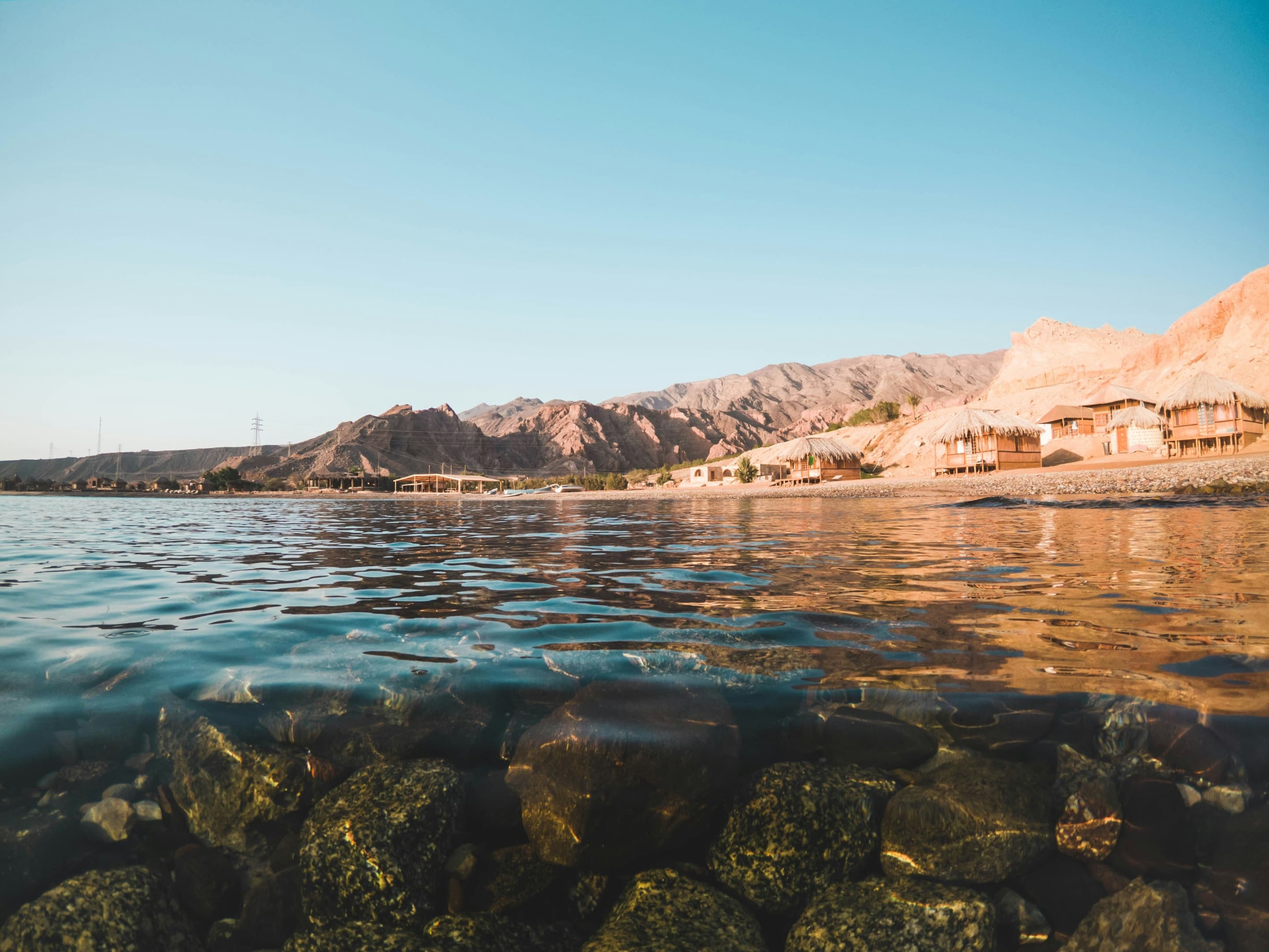
Yacht charter on the Red Sea concentrates on the Egyptian coast and on the Saudi Arabian one further south. The Egyptian side runs from Hurghada and El Gouna in the north past Marsa Alam to the Sudanese border, with Ras Mohammed National Park at the southern tip of the Sinai Peninsula as the historic dive headline. Saudi Arabia, only newly opened to international tourism since 2019, has the Farasan Banks reef system, far less travelled than the Egyptian side and considered by some divers to be the closest the Indian Ocean still comes to undisturbed.
The charter season is northern winter and shoulder, October to April, when the water is calm and the heat manageable. Most Red Sea charters pick up in Hurghada, Marsa Alam or Sharm el-Sheikh, with the wider Sinai land excursions (St Catherine's Monastery, Mount Sinai) reachable from any of them. The Red Sea is one of the best cold-weather alternatives to the Caribbean for European clients on a five-hour flight, and the diving alone justifies the trip.
Highlights
Destination Info
Interested in this destination?
Get in touch and we'll help you plan the perfect charter.
 Red Sea
A week in the Red Sea by yacht
A loop from El Gouna south to Ras Mohamed and Sharm El Sheikh, and back by way of Gubal and Tawila Islands.
- Day 1 El Gouna
- Day 2 Siyul (Shaab Siyul) · 18 nm, about 2 hours
- Day 3 Ras Mohamed (via SS Dunraven) · 32 nm, about 3.5 hours
- Day 4 Sharm El Sheikh · 6 nm, about 0.75 hours
- Day 5 Gubal Island · 33 nm, about 3.75 hours
- Day 6 Tawila Island · 6 nm, about 0.75 hours
- Day 7 Siyul (Return) · 8 nm, about 0.9 hours
- Day 8 El Gouna (Return & Disembarkation) · 18 nm, about 2 hours
Where to go
Hurghada and El Gouna
The northern hub and the usual pickup, with the marinas, the airport connections and the reefs of the Giftun islands on the doorstep. El Gouna is the more polished base of the two. From here the wrecks of the Strait of Gubal, the Thistlegorm among them, are within a day's run.
The Strait of Gubal and the northern wrecks
The graveyard of the northern Red Sea, where the SS Thistlegorm sits upright and still loaded with WWII cargo, and Abu Nuhas holds a line of reef wrecks. This is wreck diving at its best, with the reefs of Shaab Abu Nuhas and the Sinai reefs nearby.
Ras Mohammed and the Sinai
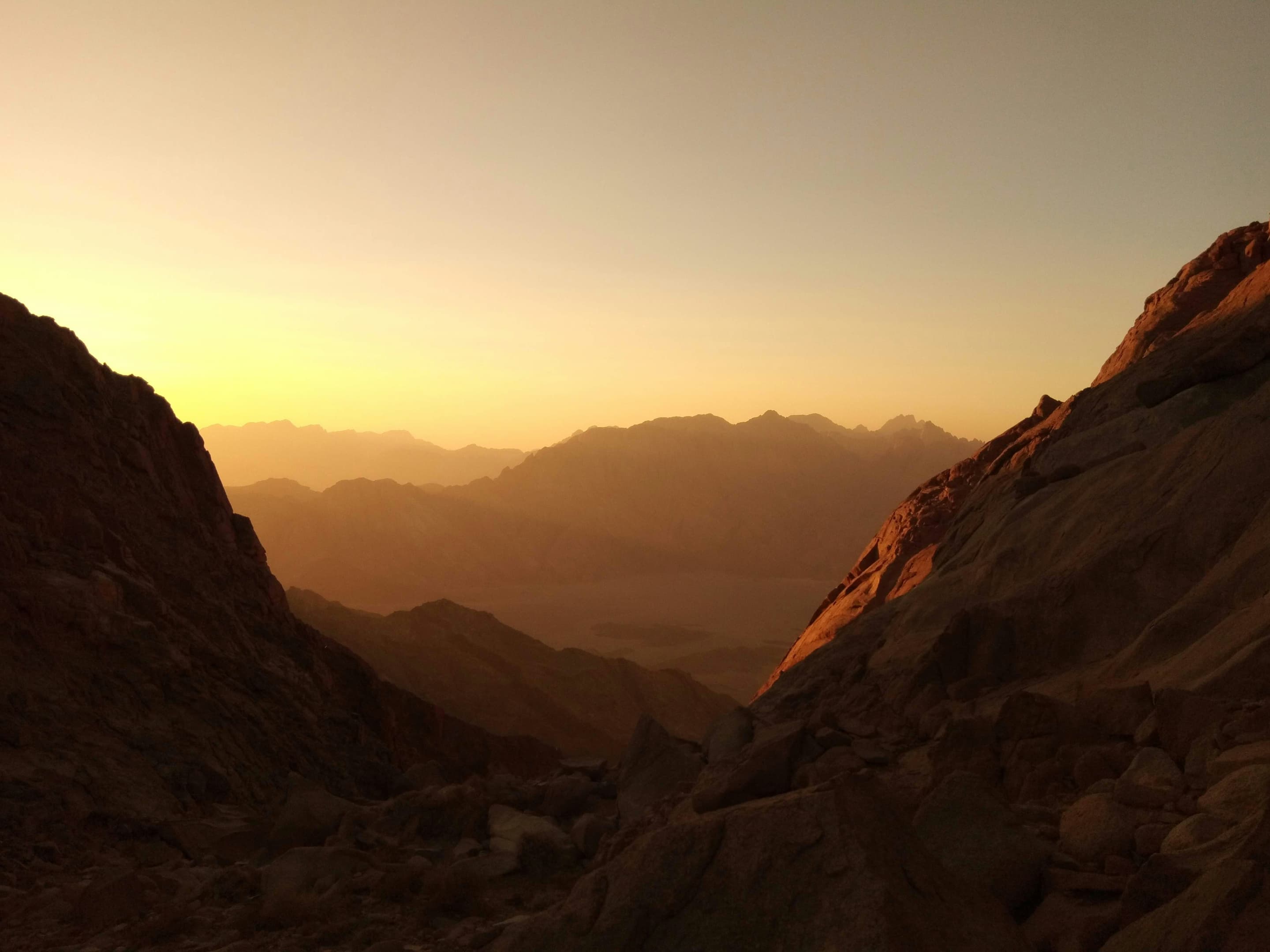
The national park at the southern tip of the Sinai Peninsula, the historic dive headline of the Red Sea, with sheer drop-offs, the wreck of the Dunraven and strong pelagic life. Sharm el-Sheikh is the base, and the desert interior, St Catherine's Monastery and Mount Sinai, is a shore excursion from here.
Marsa Alam and the southern reefs
South of Hurghada, the coast quietens and the reefs get wilder: Elphinstone with its walls, the Dolphin House reefs where you swim with spinner dolphins, and the long stretch down towards the Sudanese border. This is the base for the offshore Brothers and Daedalus trips.
The Brothers, Daedalus and Elphinstone
The offshore reefs, 50 miles and more out into open water, reached only by yacht. The Brothers Islands have coral walls, grey reef and hammerhead sharks and two old wrecks; Daedalus and Elphinstone are big-water walls for experienced divers. This is the wildest diving on the Egyptian side.
What it costs
- From
- From about EUR 25,000 / week for a crewed yacht
- Included
- The weekly fee covers the yacht and all its equipment, including the tenders and dive gear, the full crew, and the yacht's insurance.
- Extras
- Your running costs are paid separately, through an advance provisioning allowance (APA): a sum of around 25 to 35 percent of the fee that you pay before the charter. The captain uses it to pay for fuel, berthing and harbour dues, provisioning, and the food and drink for your party, then gives you a full account at the end and refunds whatever is left. Local taxes, port and marine-park fees, and a cruising permit are on top of the fee, along with a customary crew gratuity. The permits and park fees are arranged for you before you sail.
Prices rise with the size of the yacht and the time of year.
We explain the money side properly: What is included under MYBA, How the APA works, VAT and charter tax, and What to tip the crew.
Before you go
When to go
The Red Sea charters in the northern winter and shoulder, October to April, when the water is calm and the heat is off. Midwinter is the coolest and the busiest; the shoulder months either side are warm and quieter. The summer months are very hot and largely avoided. Water temperatures stay comfortable for diving right through the season, which is why the Red Sea works as a cold-weather escape when the Mediterranean has closed.
Getting there
Most charters pick up in Hurghada, El Gouna, Marsa Alam or Sharm el-Sheikh, all with their own airports and a flight of around five hours from Europe. The choice of port sets the diving: the north for the wrecks and Ras Mohammed, Marsa Alam for the southern and offshore reefs. We set the route and the logistics before you book.
Diving the Red Sea
This is one of the world's great diving grounds, and a Red Sea charter is built around it. The wrecks of the north, the walls of Ras Mohammed and the offshore Brothers and Daedalus, and the reefs off Marsa Alam each suit a different level of diver. A crewed yacht carries the dive gear and reaches the offshore sites that day boats cannot, so the crew plan the dives around the weather and the marine-park rules. Read more in our guide to the Red Sea as a diving destination.
Choosing the yacht
The Red Sea suits catamarans and motor yachts with the deck space, the shade and the dive platform for a week in the water. For the offshore reefs you want a yacht with the range and the stability for open water. If you are weighing crewed against bareboat, our guide on bareboat versus crewed sets out the difference. Browse the current fleet on our yachts page.
Explore Red Sea
Interactive map view of Red Sea • Click and drag to explore • Open in full screen