Seychelles Yacht Charter
About Seychelles
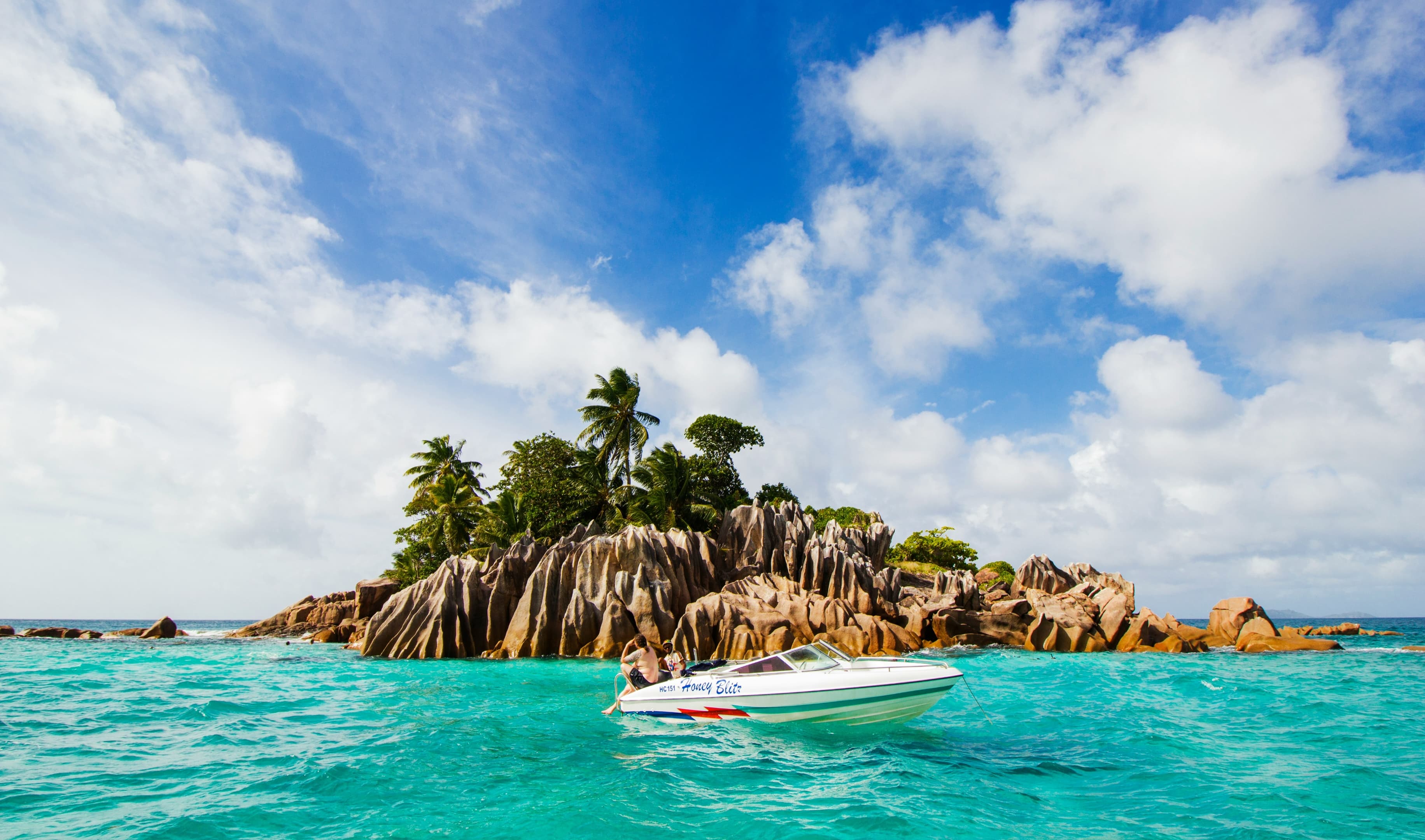
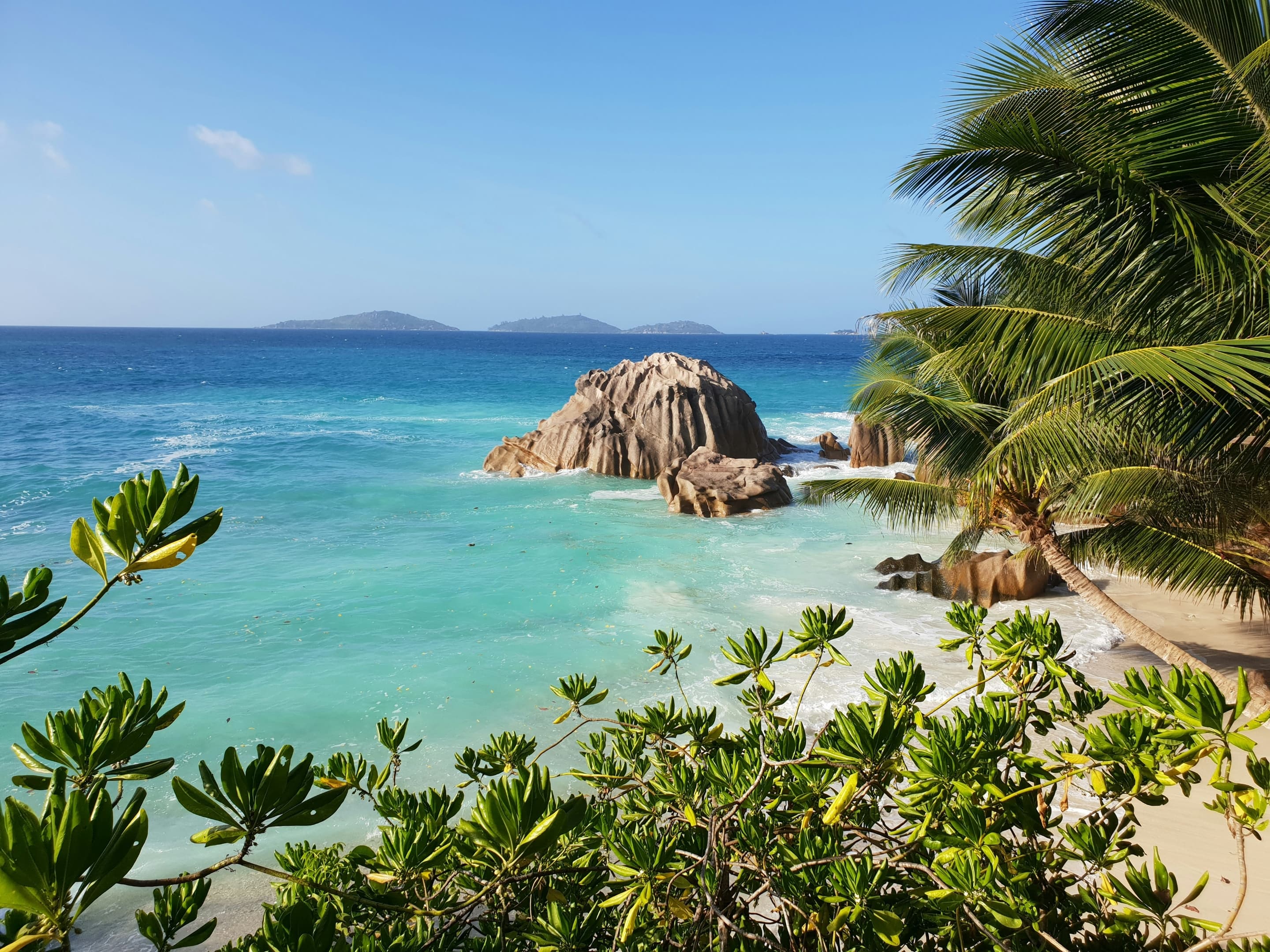
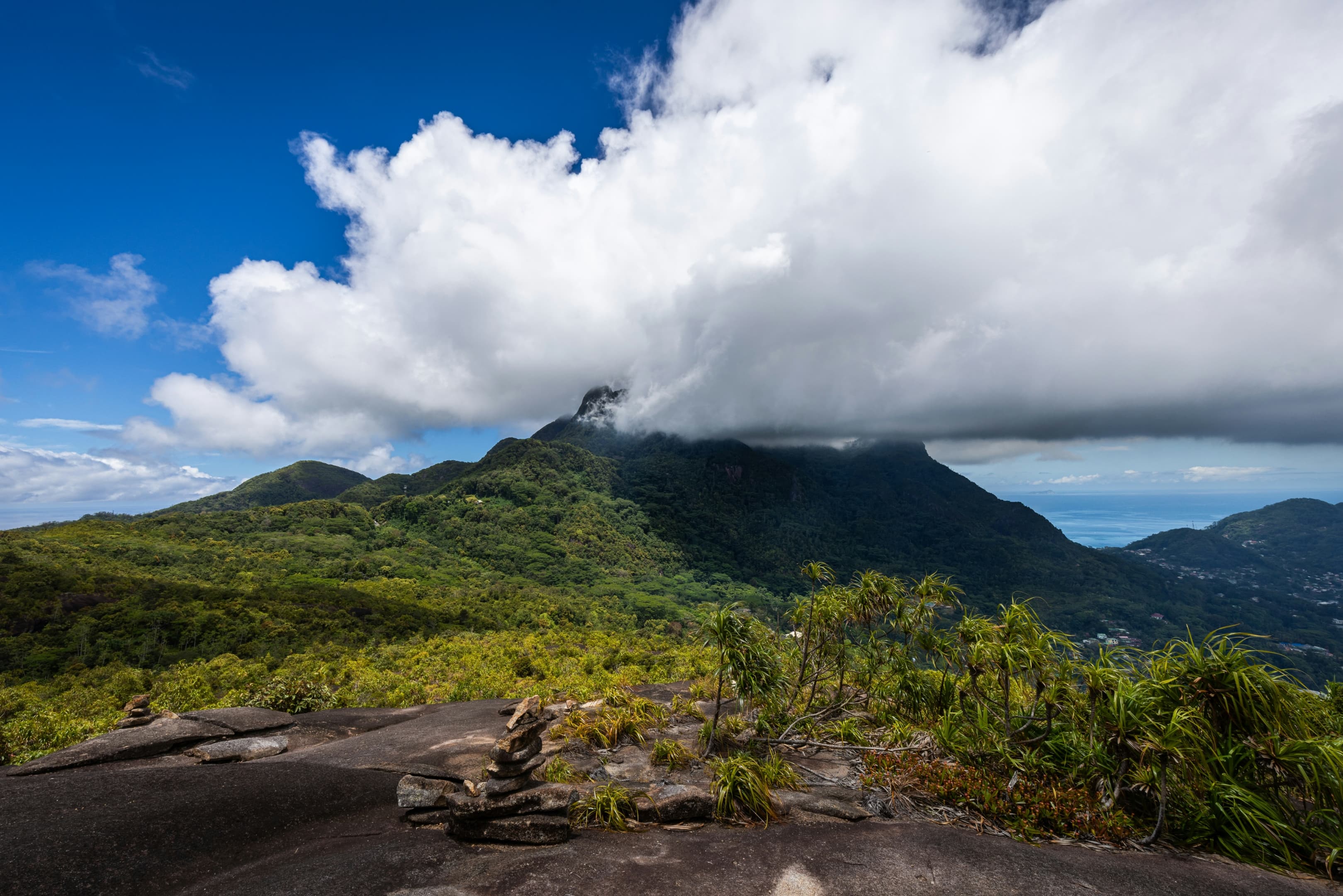
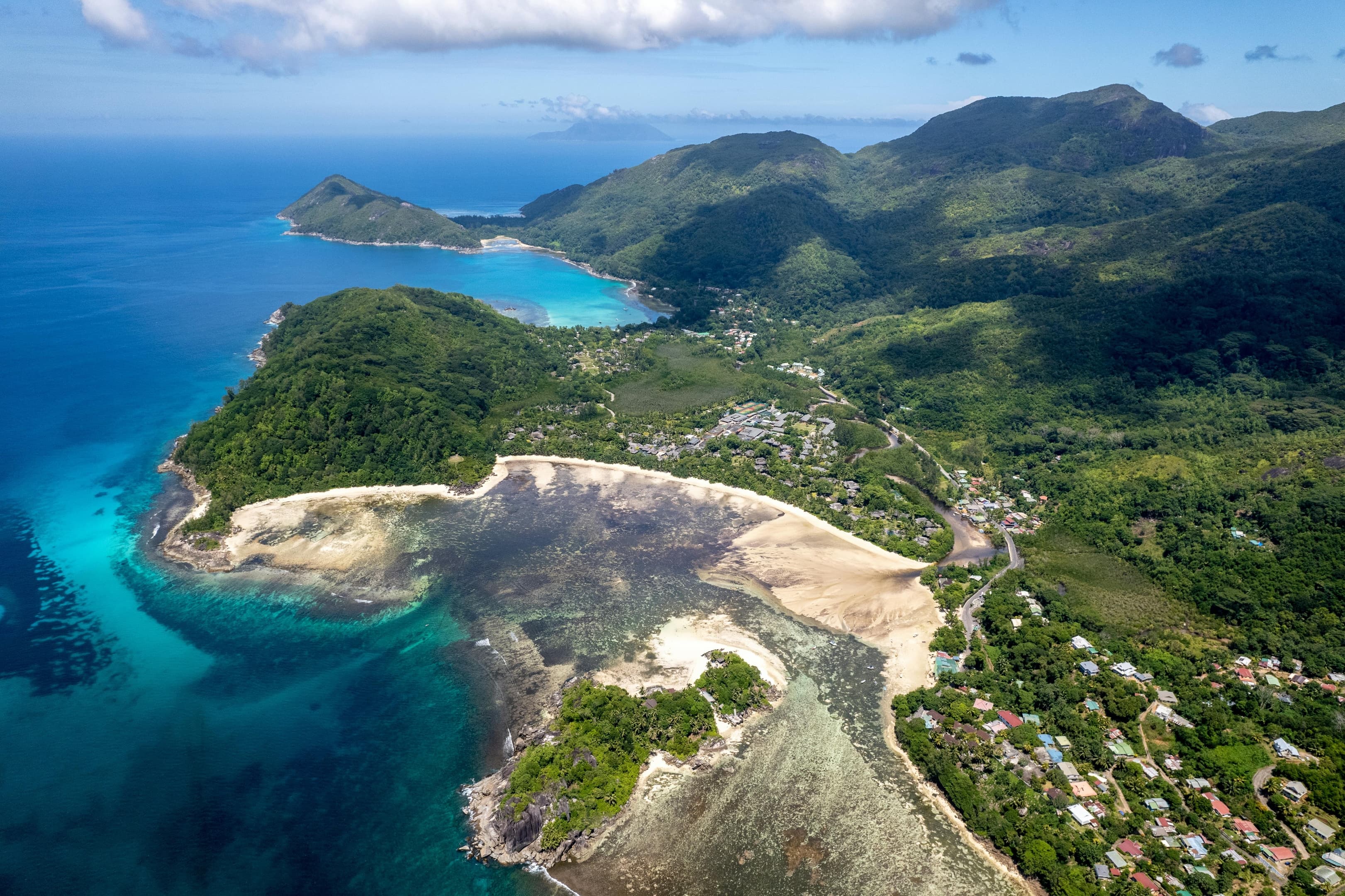
The Seychelles are the only mid-ocean granite islands in the world. The 42 inner islands of the archipelago are made of pre-Cambrian granite, the geological remains of a piece of the supercontinent Gondwana that broke off about 75 million years ago and has been sitting in the western Indian Ocean ever since. The other 73 islands of the country are coral atolls and reefs, scattered south and west towards East Africa.
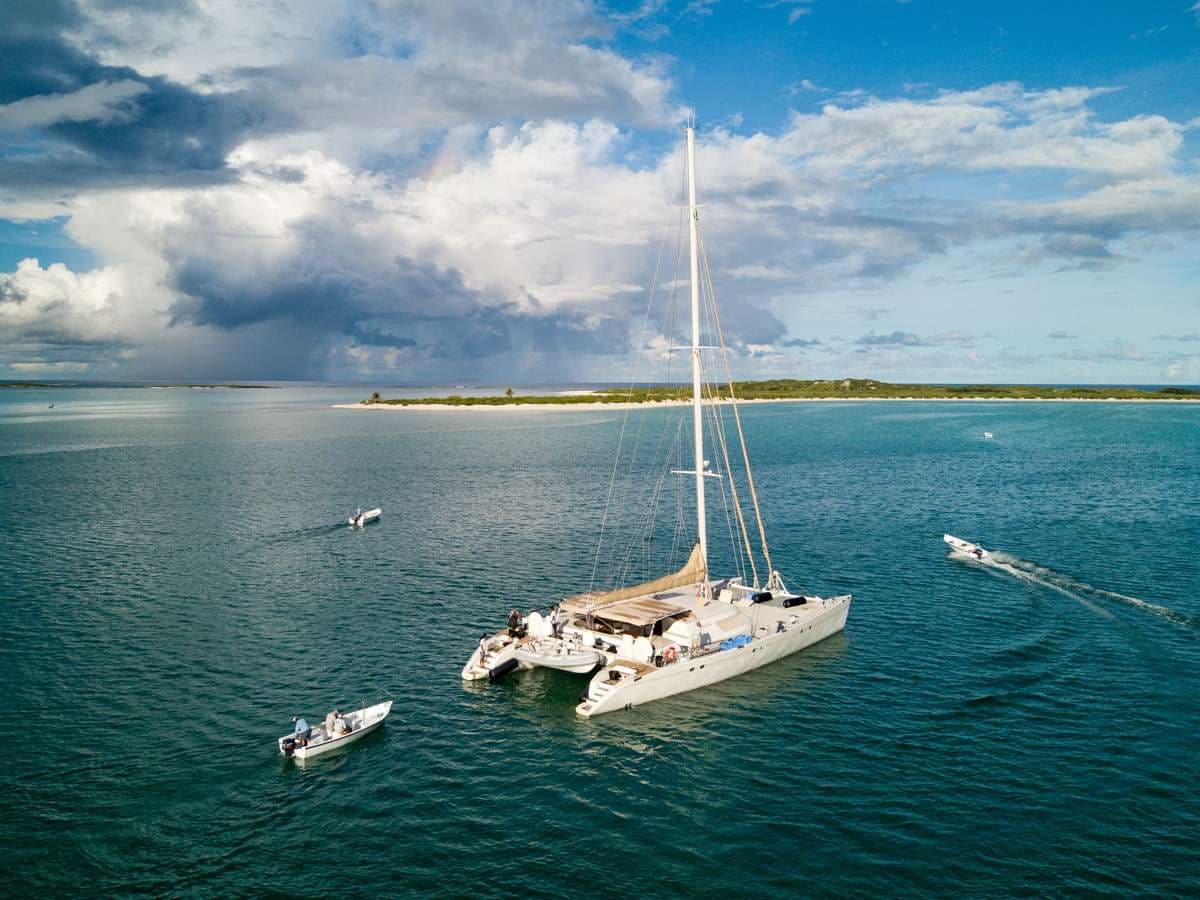
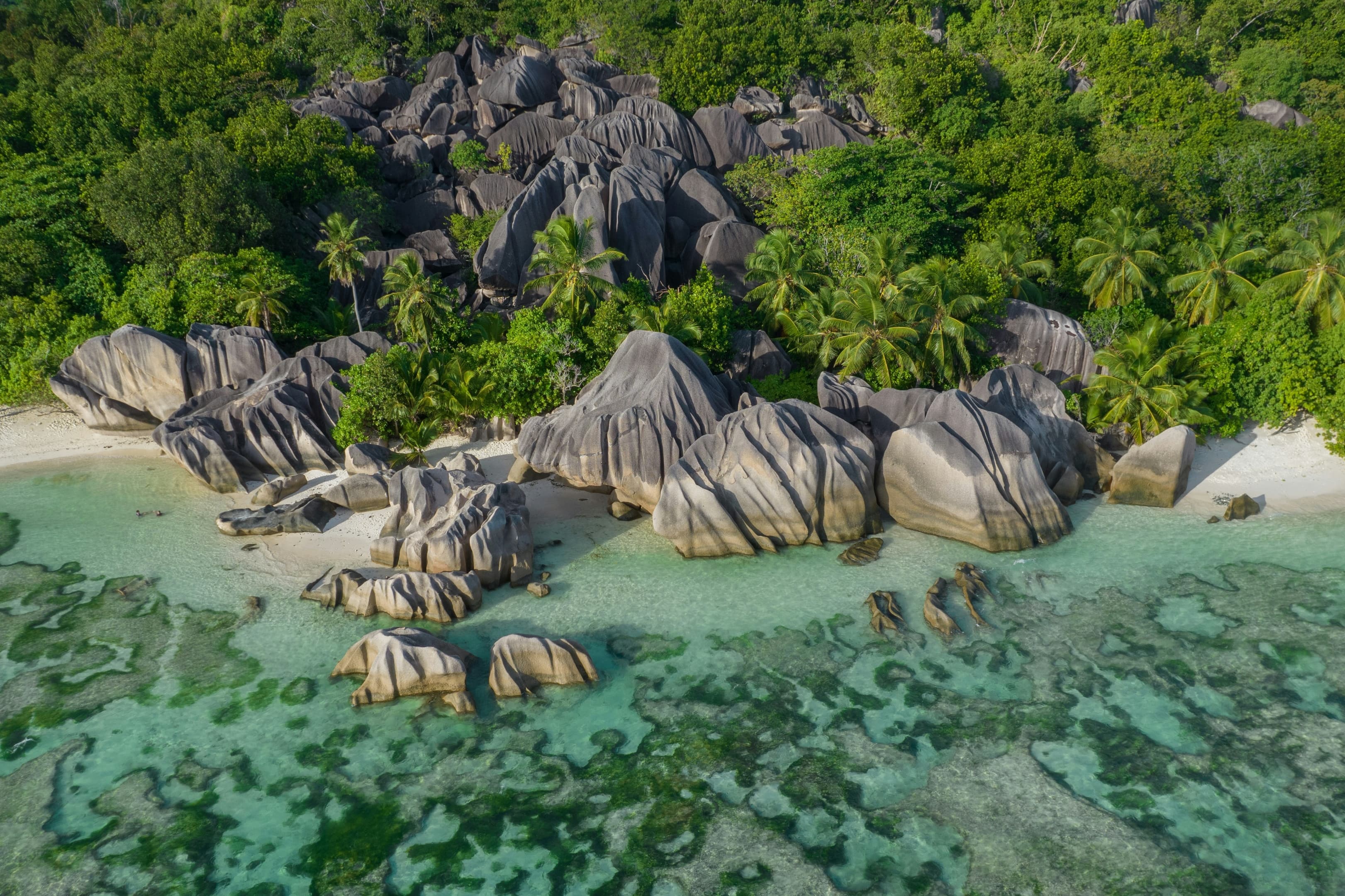
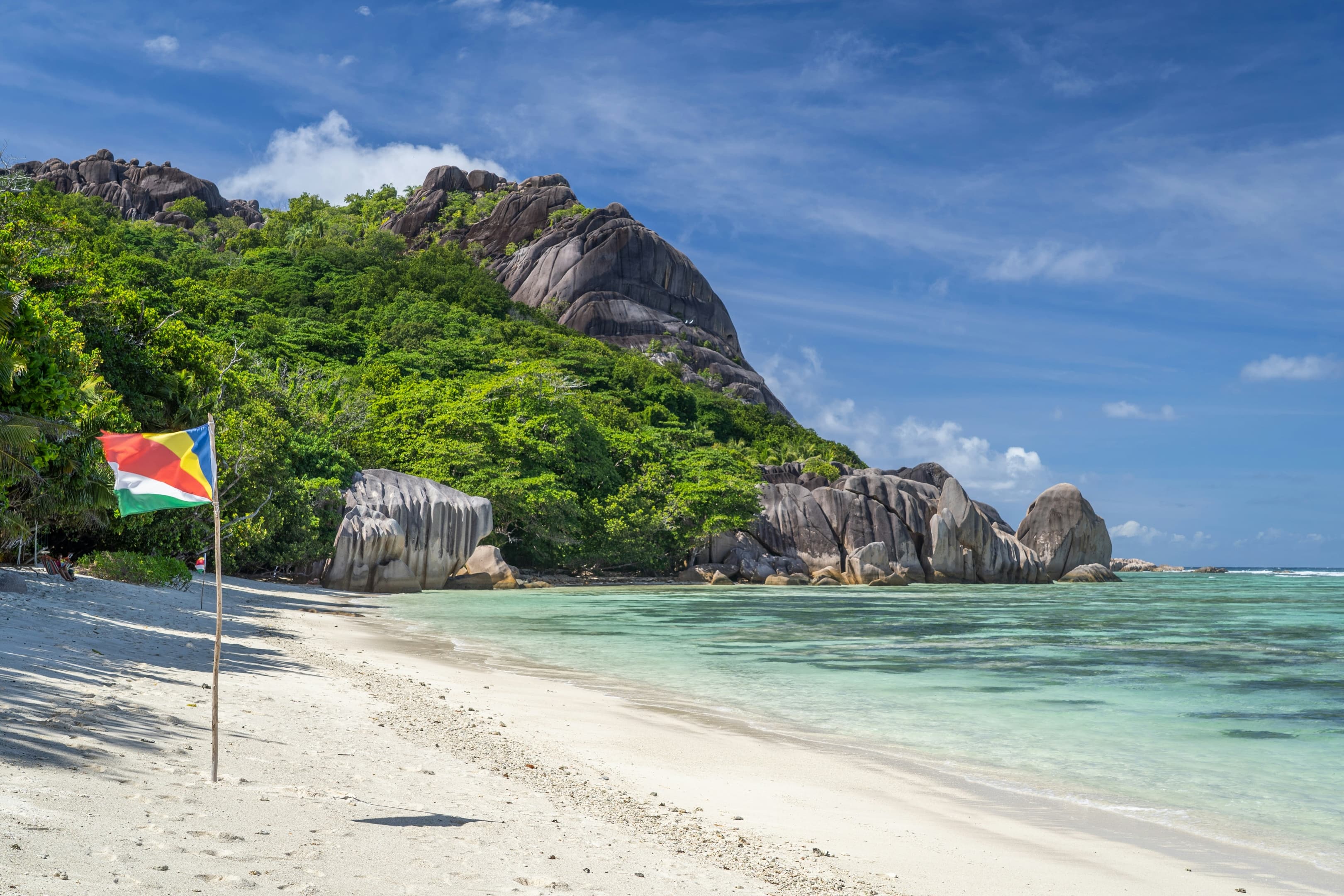
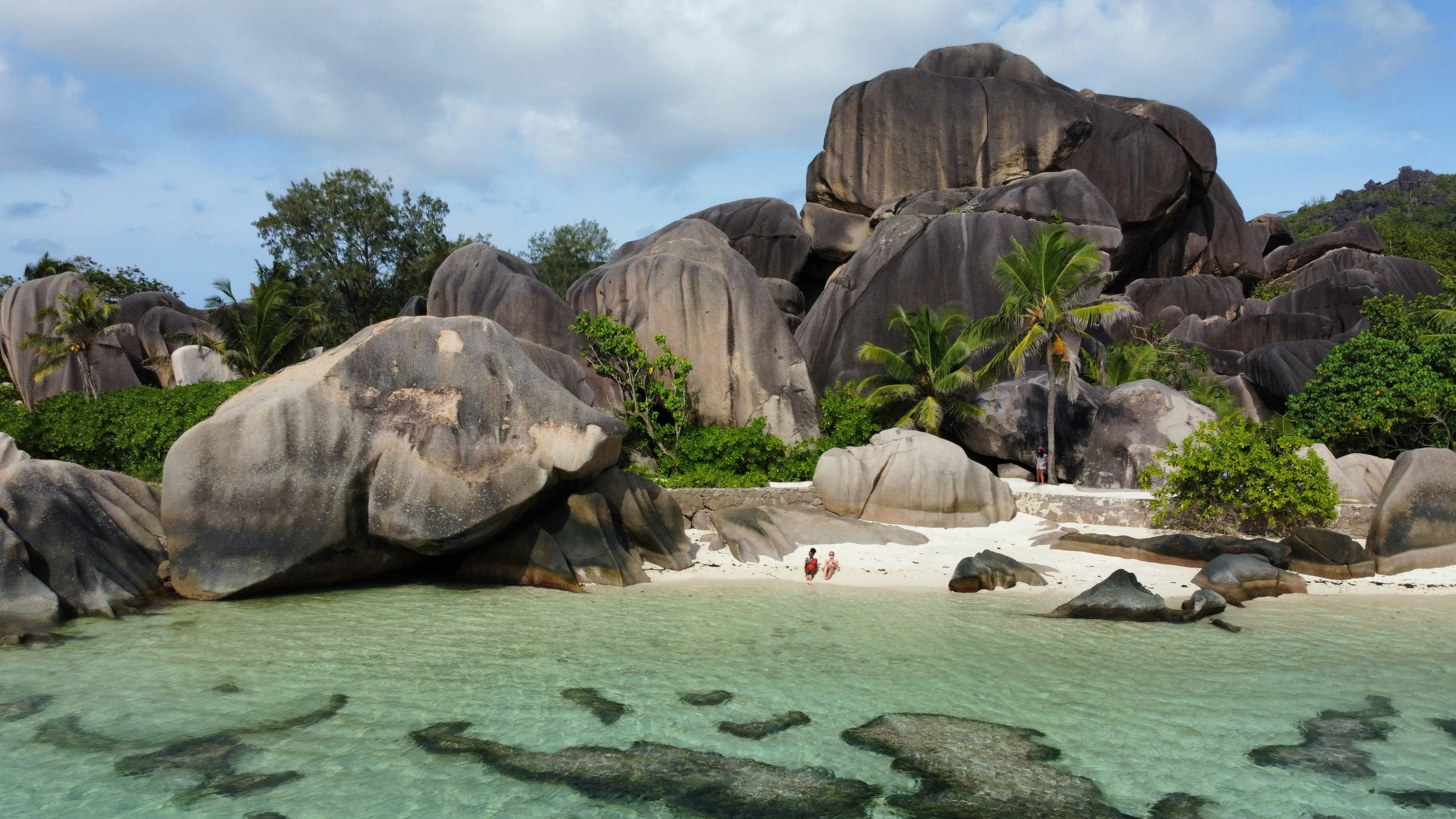
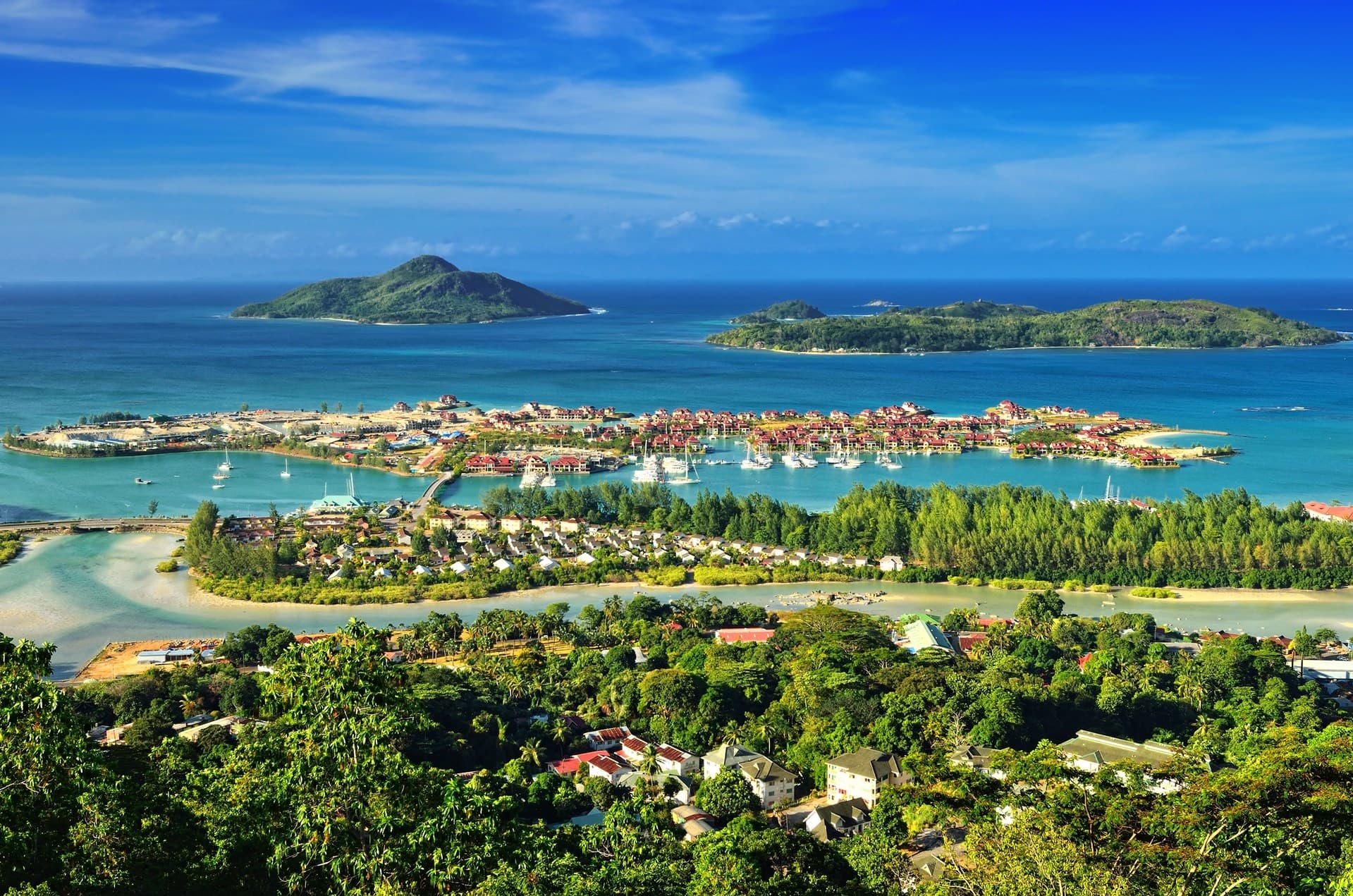
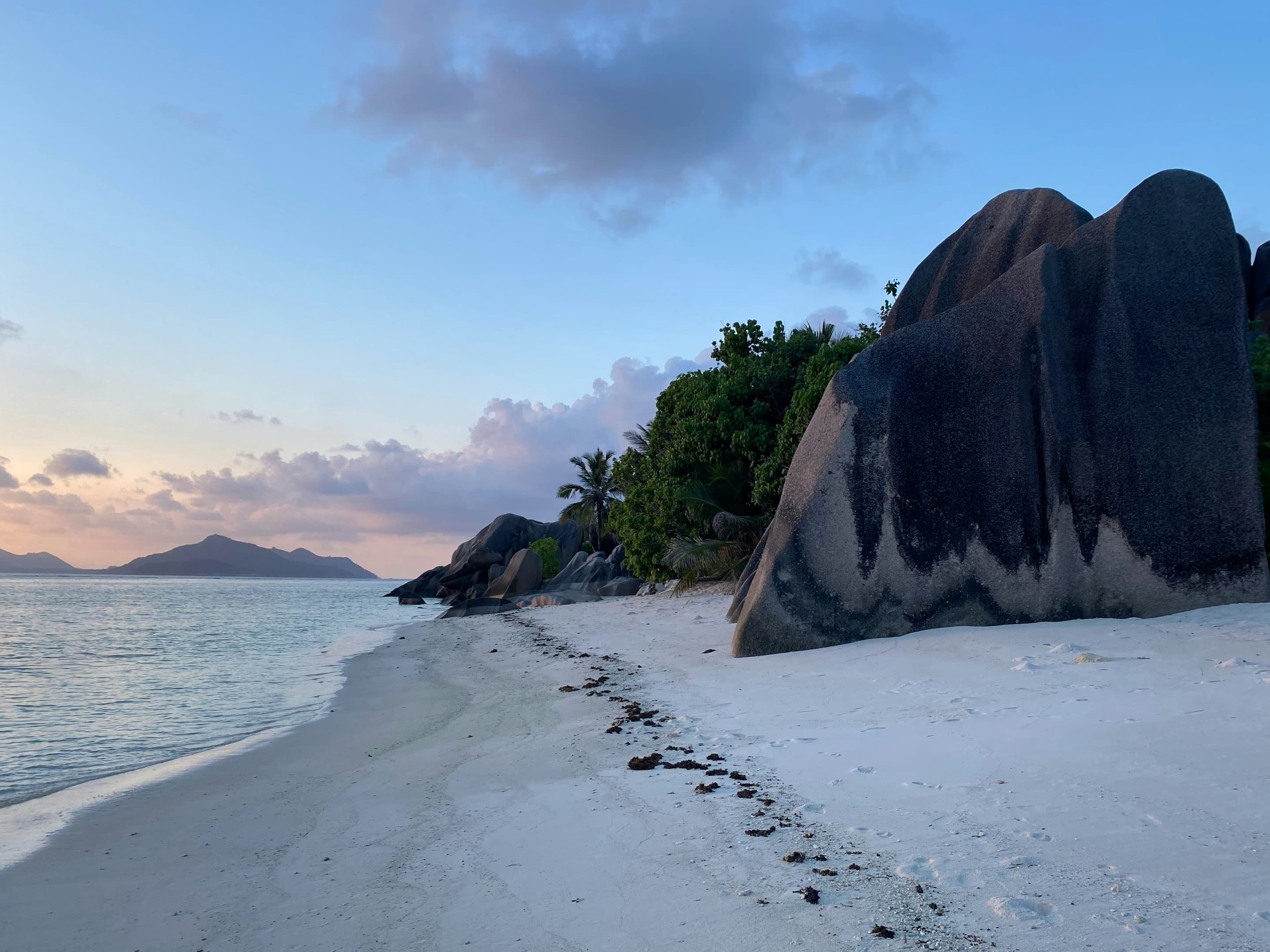
The yachting concentrates on the inner islands. Mahé is the largest and the working centre, with the international airport, the capital Victoria and the small marina at Eden Island. Praslin, half an hour by ferry, has the Vallée de Mai, a UNESCO-listed forest where the coco de mer palm grows wild and produces what is the largest seed in the plant kingdom (the suggestive shape of which became the basis for several centuries of European myths). La Digue, off Praslin, has the granite-boulder beach of Anse Source d'Argent, regularly named one of the most photographed beaches on Earth. The wilder outer islands, particularly Aldabra, the world's largest raised coral atoll and home to over 100,000 giant tortoises, are accessible only by long-range yacht and a special permit.
The season is split. April-May and October-November are the calmest months, between the two monsoon directions. December to March brings warmer water but more humidity, while May to October brings drier weather but slightly rougher seas on the south side of the islands. Most Seychelles charters pick up in Mahé. A week covers the inner islands; two weeks lets you reach the outer atolls.
Highlights
Destination Info
Interested in this destination?
Get in touch and we'll help you plan the perfect charter.
Where to go
Mahe
The largest island and the working centre, with the international airport, the capital Victoria and the marina at Eden Island where most charters embark. Beaux Vallon and the beaches of the southwest coast make an easy first night before crossing to Praslin.
Praslin
Half a day north of Mahe, with Anse Lazio and Anse Georgette among the best beaches in the country and the UNESCO-listed Vallee de Mai inland, where the coco de mer palms grow wild. The anchorages off the north coast are the base for day trips to the nature-reserve islands.
La Digue
A short hop from Praslin, quiet and largely car-free, with the granite-boulder beach of Anse Source d'Argent, one of the most photographed on Earth. Ashore the pace is bicycle and ox-cart. The shallow bays are good for snorkelling.
Curieuse, Cousin and Aride
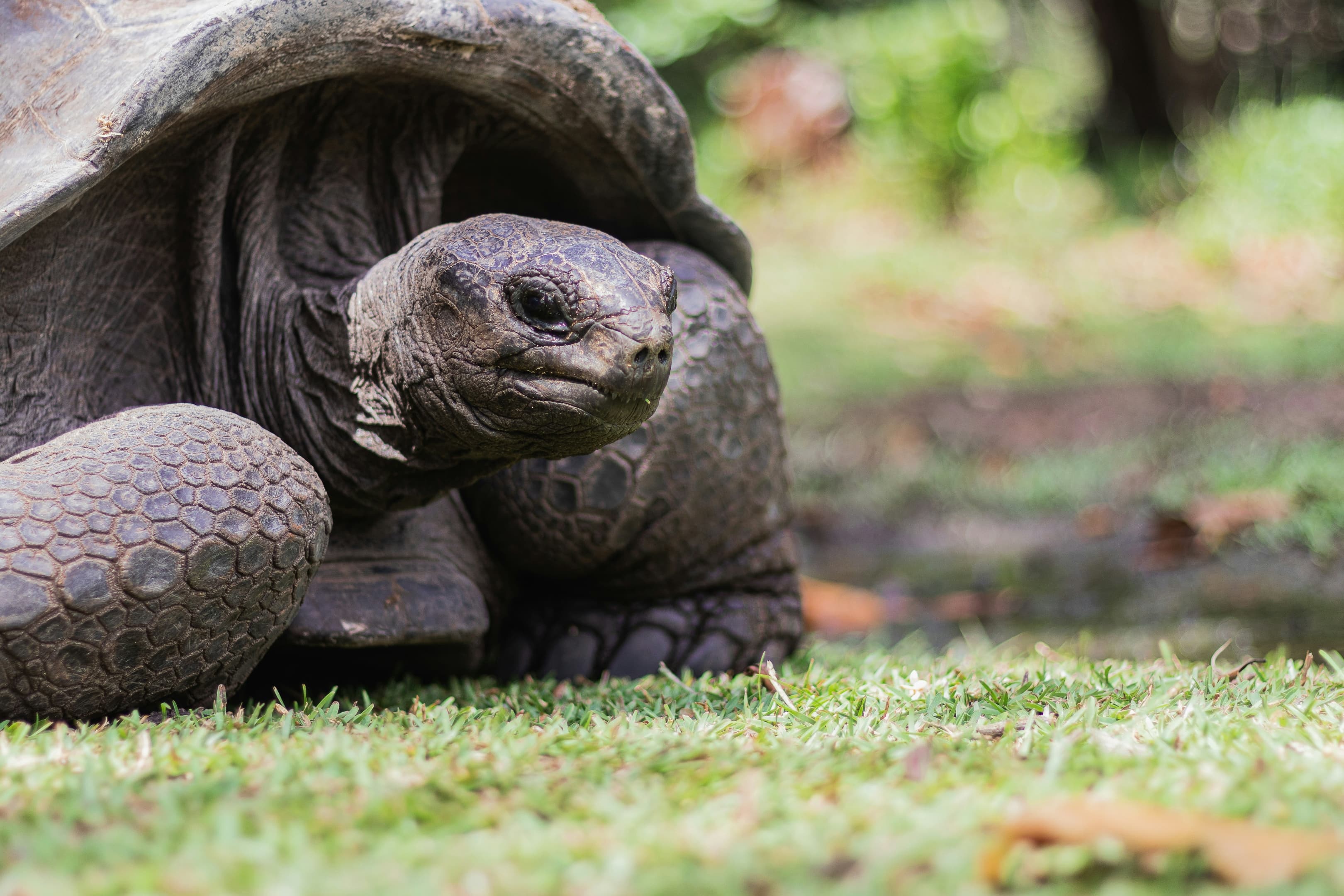
The small nature-reserve islands between Praslin and La Digue. Curieuse has a free-roaming colony of giant tortoises; Cousin and Aride are seabird and marine reserves with some of the best snorkelling in the inner islands. Landings are managed and worth arranging ahead.
The outer atolls
The remote coral atolls to the south and west, Aldabra the largest raised coral atoll in the world and home to over 100,000 giant tortoises. They lie hundreds of miles out and need a long-range yacht, a special permit and a second week. This is expedition cruising, not the inner-island week.
What it costs
- From
- From about EUR 25,000 / week for a crewed yacht
- Included
- The weekly fee covers the yacht and all its equipment, including the tenders and water toys, the full crew, and the yacht's insurance.
- Extras
- Your running costs are paid separately, through an advance provisioning allowance (APA): a sum of around 25 to 35 percent of the fee that you pay before the charter. The captain uses it to pay for fuel, berthing and harbour dues, provisioning, and the food and drink for your party, then gives you a full account at the end and refunds whatever is left. Local taxes and charges and a customary crew gratuity are on top of the fee. A trip to the outer atolls also needs a cruising permit, which we arrange.
Prices rise with the size of the yacht and the time of year.
We explain the money side properly: What is included under MYBA, How the APA works, VAT and charter tax, and What to tip the crew.
Before you go
When to go
The Seychelles sit just south of the equator, so it is warm all year. The season splits around the two monsoons: April to May and October to November are the transition months, the calmest water and the clearest visibility for snorkelling. The northwest monsoon from December to March brings warmer, wetter weather; the southeast monsoon from May to October is drier but pushes more swell onto the south-facing coasts. There is no hurricane season here, which is one reason the islands work when others do not.
Getting there
Mahe has the international airport, with direct flights from the Gulf and Europe, and it is five minutes from the marina at Eden Island where most charters embark. Praslin and La Digue have their own airstrip and ferries, but the yacht reaches them by sea within the first day or two. Nothing in the inner islands is far apart.
Anchoring and the marine parks
Much of the inner-island cruising ground sits inside marine national parks, and the nature-reserve islands, Cousin, Aride and Curieuse among them, have managed landings and mooring rules. A good captain arranges the permits and the reserve visits in advance, so the days ashore and the snorkelling stops are booked rather than turned away at the buoy. The outer atolls need a separate cruising permit.
Choosing the yacht
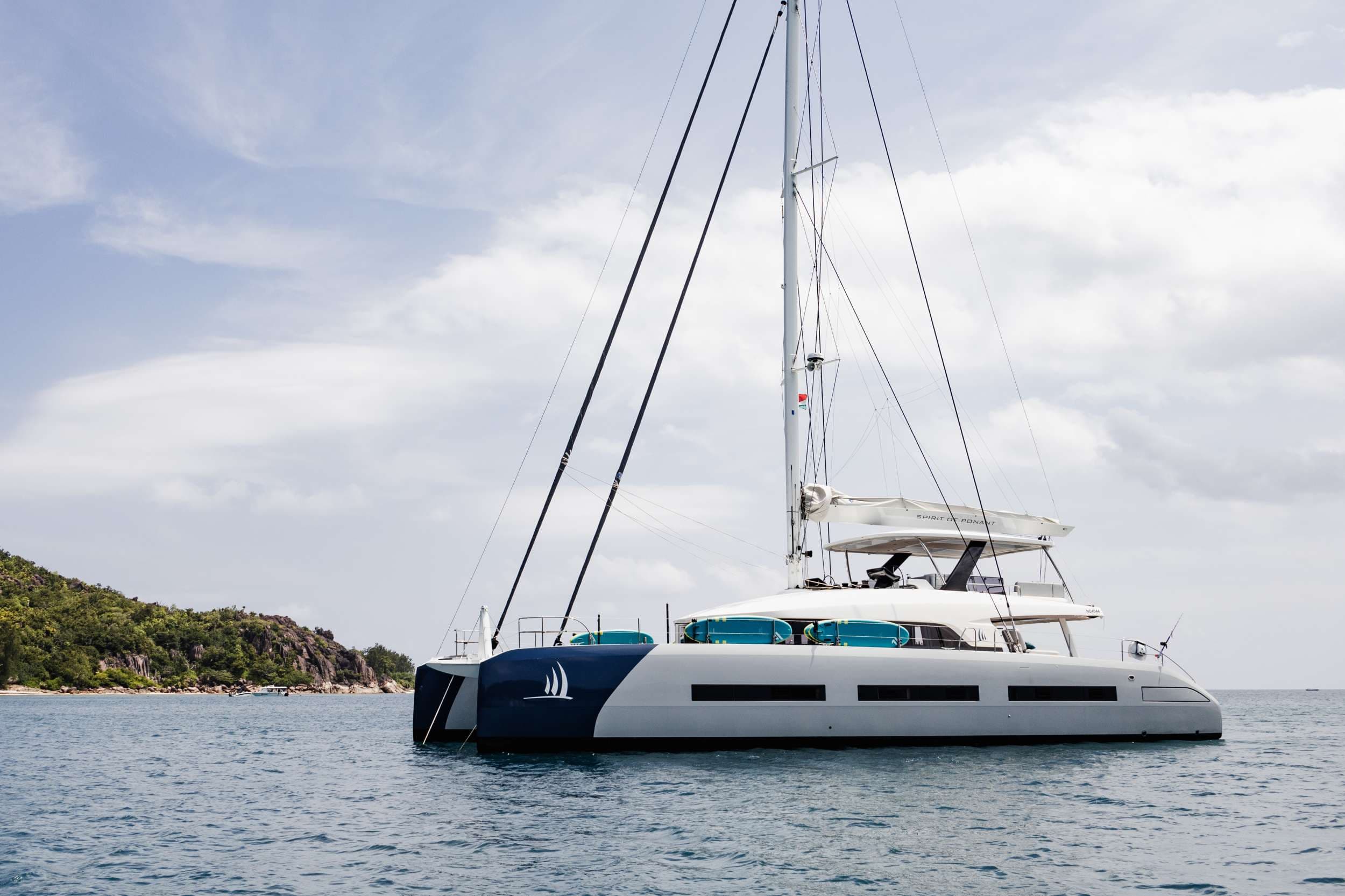
The short hops and the calm inner-island water suit catamarans and motor yachts, with the space and the shade for a tropical week. For the outer atolls you want a long-range yacht that can carry the fuel and the range. If you are weighing crewed against bareboat, our guide on bareboat versus crewed sets out the difference. Browse the current fleet on our yachts page.
Explore Seychelles
Interactive map view of Seychelles • Click and drag to explore • Open in full screen