

Caribbean Yacht Charter
About Caribbean
The Caribbean is shorthand for at least four different yacht charter regions, each with its own rhythm. The British Virgin Islands are the close-knit chain of around sixty islands where line-of-sight sailing was made famous, and which still anchor the largest charter fleet in the region. The Bahamas, technically Atlantic rather than Caribbean, run from Bimini to Inagua across 800 kilometres of clear bank water, with the Exumas in the middle as the headline. The US Virgin Islands offer Trunk Bay on St John, one of the best-rated beaches anywhere, and the easiest first port if you're flying in from the United States. South of those, the Windward and Leeward chain runs from Anguilla and Sint Maarten down to Grenada, with Antigua, St Barths, St Lucia, Dominica and the Grenadines as the main charter stops along the way.
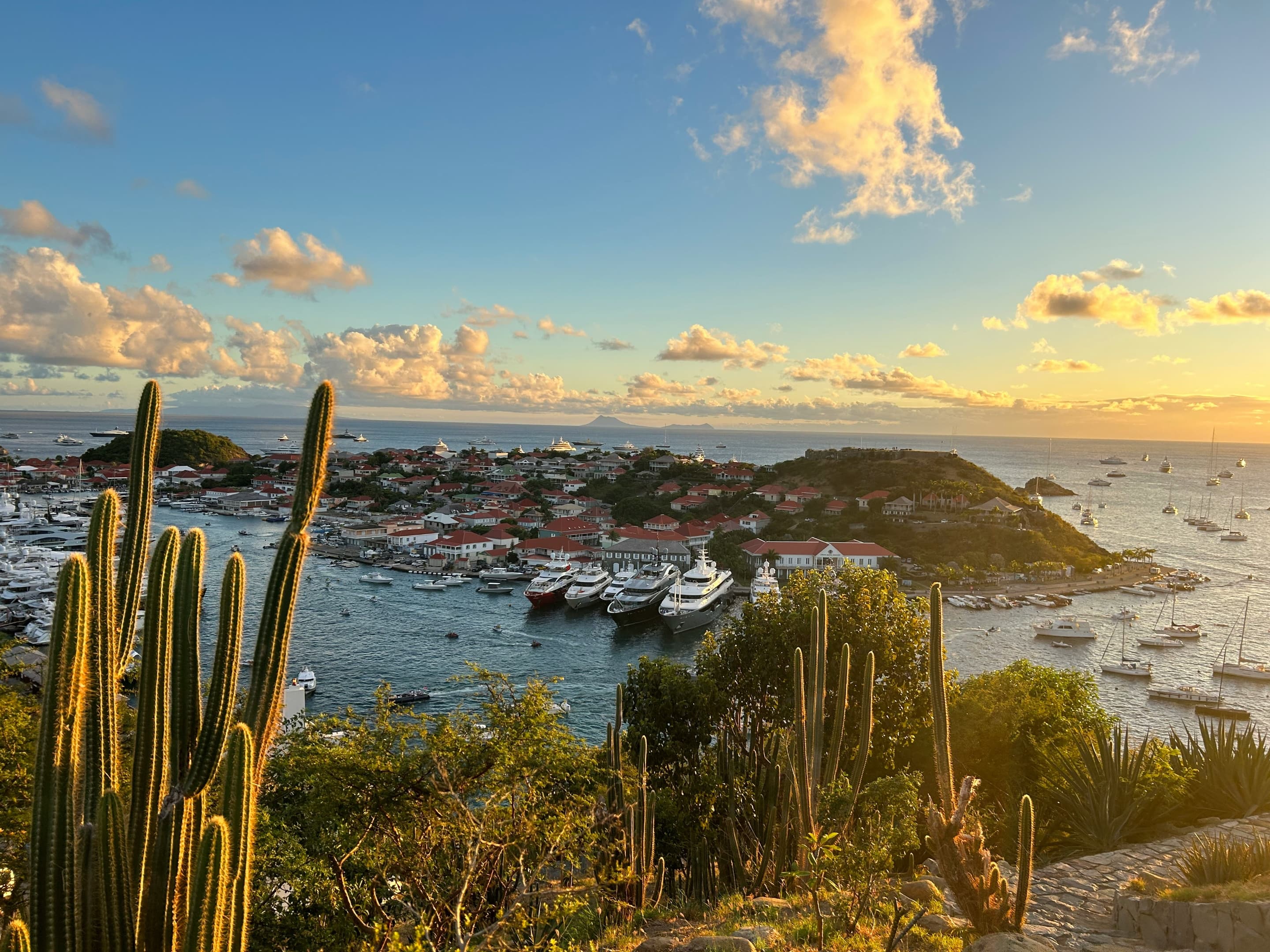
Each chain has its own character. St Barths is the celebrity-and-yacht-show one, busy through the winter event weeks. Antigua is the racing capital, with Antigua Sailing Week and the Caribbean 600 drawing fleets every spring. Dominica is the wild one, with mountains rising to 1,400 metres straight out of the sea and whale-watching off the west coast year-round. The Grenadines (Mustique, Bequia, the Tobago Cays) run for about 60 miles between St Vincent and Grenada, and they offer some of the best small-island anchorages in the eastern Caribbean.
The high season for all of it is December to April, when the trade winds blow steady from the east and the rain backs off. Most charters pick up in St Maarten, Antigua, St Lucia or Grenada depending on the route. A week works for any one chain; two weeks lets you string two together, with a positioning passage or a flight in the middle.
Highlights
Destination Info
Interested in this destination?
Get in touch and we'll help you plan the perfect charter.
 Caribbean
A week in the Leeward Islands by yacht
One way from Antigua to St Maarten by way of Barbuda, Nevis, St Barths and Anguilla, with two passage days of about 50 nm in the middle.
- Day 1 Green Island & Nonsuch Bay (Antigua) · 9 nm, about 1.5 hours
- Day 2 Barbuda (Princess Diana Beach) · 32 nm, about 4.5 hours
- Day 3 Barbuda (Palmetto Point) · 3 nm, about 30 minutes, reposition
- Day 4 Nevis (Pinney's Beach) · 52 nm, about 7 hours, passage day, dawn start
- Day 5 St Barths (Gustavia) · 47 nm, about 6.5 hours, passage day
- Day 6 St Barths (Anse de Colombier) · 2 nm, about 30 minutes
- Day 7 Anguilla (Rendezvous Bay), via Ile Fourchue · 20 nm, about 3 hours, including the Ile Fourchue swim stop
- Day 8 St Maarten (Simpson Bay) · 8 nm, about 1.5 hours
Where to go
British Virgin Islands
The sheltered, short-hop chain of around sixty islands and the region's largest charter fleet. Line-of-sight sailing between Tortola, Virgin Gorda, Jost Van Dyke and Anegada, with the Baths and calm overnight anchorages throughout.
The Bahamas
North of the Caribbean proper, on clear bank water from Bimini to Inagua. The Exumas are the headline, with the land-and-sea park, swimming pigs and easy access from Florida.
US Virgin Islands
St Thomas, St John and St Croix, the easiest first port for guests flying from the United States. Trunk Bay, the Virgin Islands National Park, and a natural crossover into the BVI.
Windwards and Leewards
The eastern arc from Anguilla and St Maarten down to Grenada. St Barths in the winter event weeks, Antigua for racing, wild and mountainous Dominica, and St Lucia's Pitons.
The Grenadines
About 60 miles of small-island anchorages between St Vincent and Grenada, taking in Mustique, Bequia and the Tobago Cays. Some of the best anchorages in the eastern Caribbean.
What it costs
- From
- From about $20,000 / week for a crewed catamaran (low season)
- Included
- Caribbean charters run on Caribbean Terms, so the weekly fee is largely inclusive: the crew, all meals aboard, the ship's bar, water toys, and a daily allowance of fuel and generator time are covered.
- Extras
- On top of that you settle local taxes, any cruising or national park permits, and the small (around 5 percent) advance provisioning allowance with the captain. A gratuity of around 15 percent for the crew is customary.
Prices rise with the size of the yacht and the time of year.
We explain the money side properly: How Caribbean Terms compare, and What to tip the crew.
Before you go
When to go
The high season is December to April, when the trade winds blow steady from the east and the rain backs off. This is the busy stretch and the one to book early. Late spring stays warm and quieter, with the hurricane-risk months of August to October best avoided.
Getting there
Where you fly depends on the chain. St Maarten, Antigua, St Lucia and Grenada are the main gateways for the Windwards and Leewards; St Thomas serves the US and British Virgin Islands; Nassau and the Exuma airports serve the Bahamas. Most yachts board a short transfer from the arrival airport.
Choosing the yacht
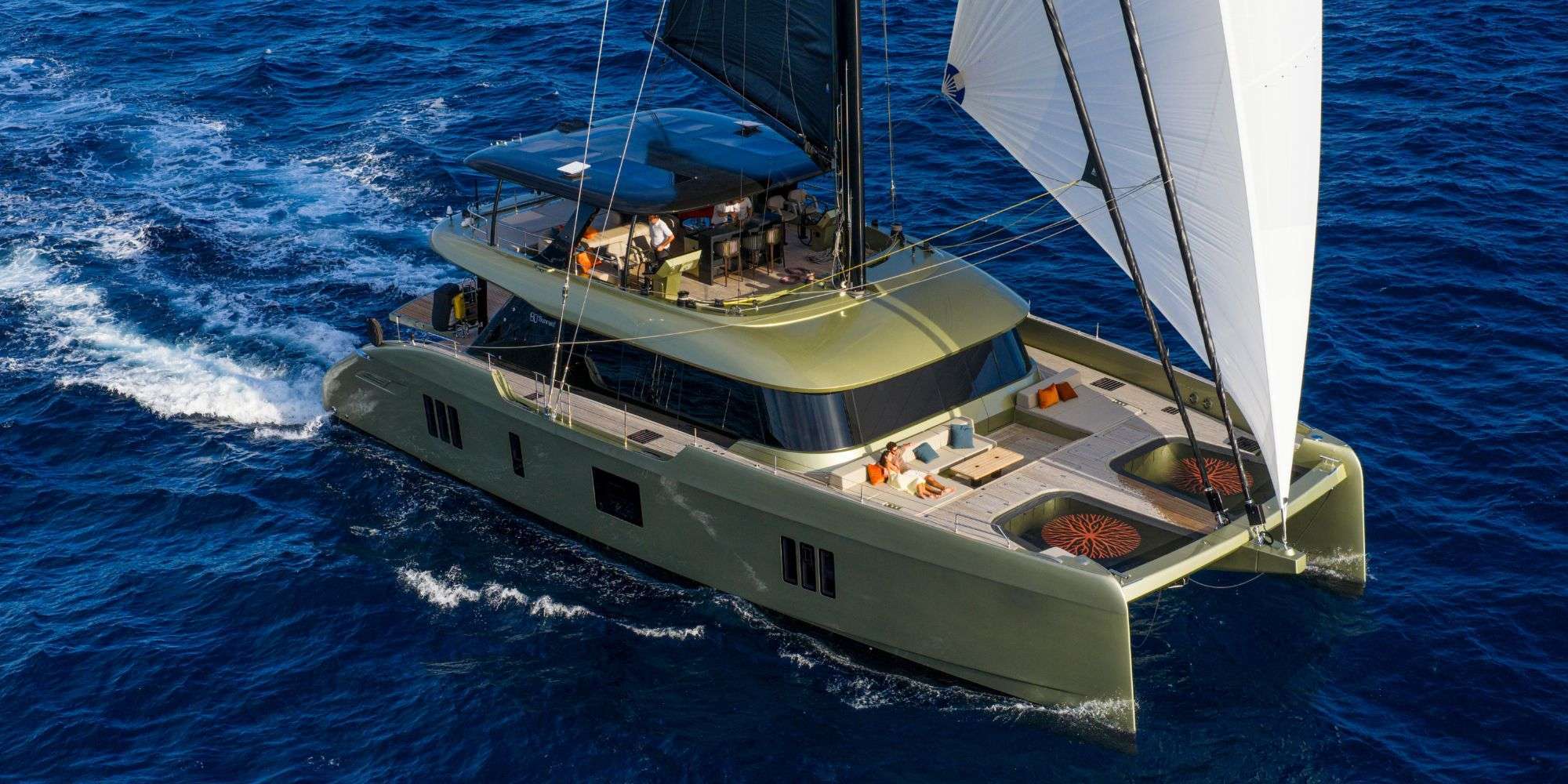
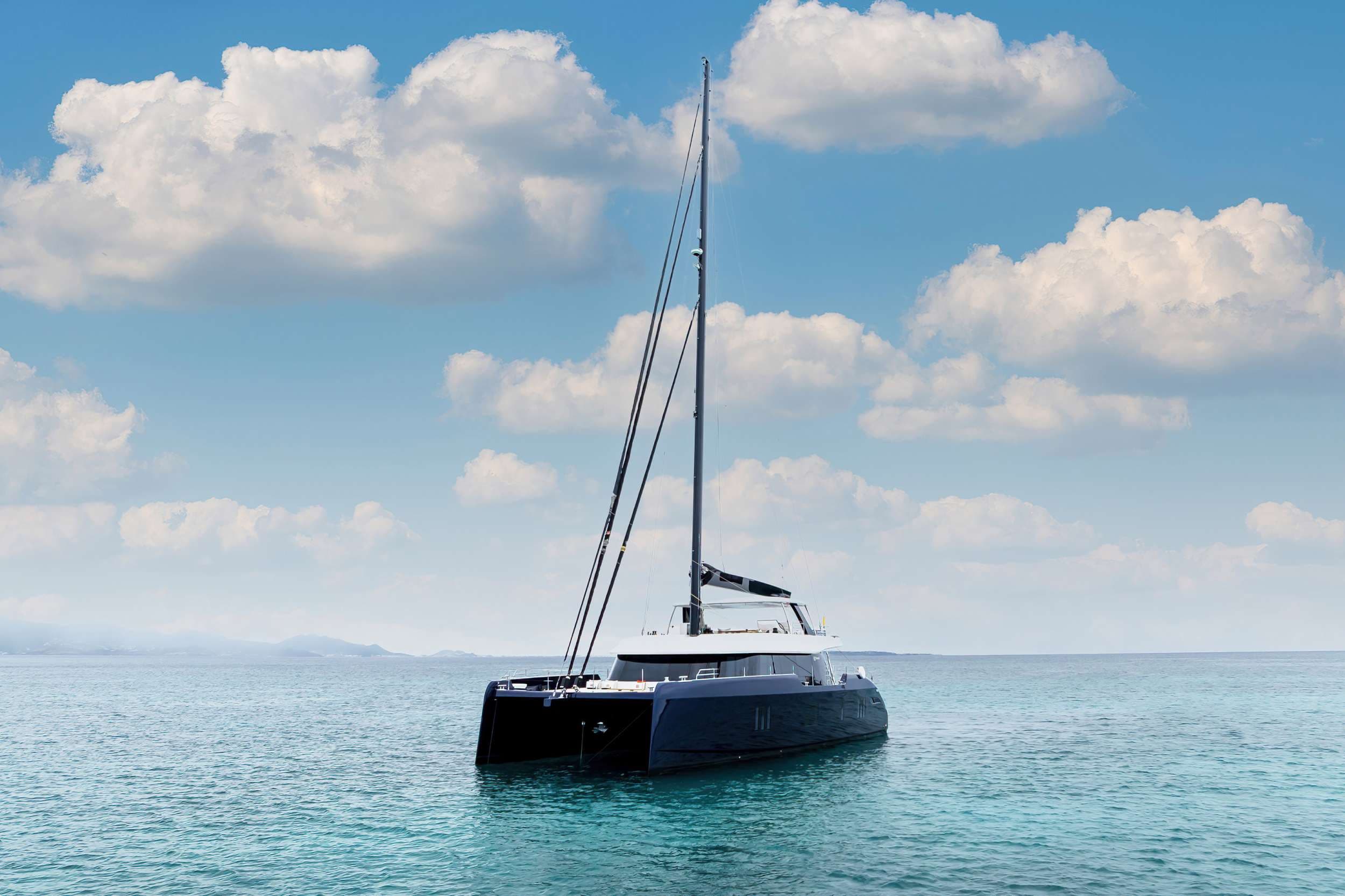
Crewed catamarans are popular across the region for their shallow draft and deck space, though motor yachts and sailing yachts all work the same waters. If you are weighing a crewed charter against a bareboat one, our guide on bareboat versus crewed sets out the difference. Browse the current fleet on our yachts page.
Explore Caribbean
Interactive map view of Caribbean • Click and drag to explore • Open in full screen